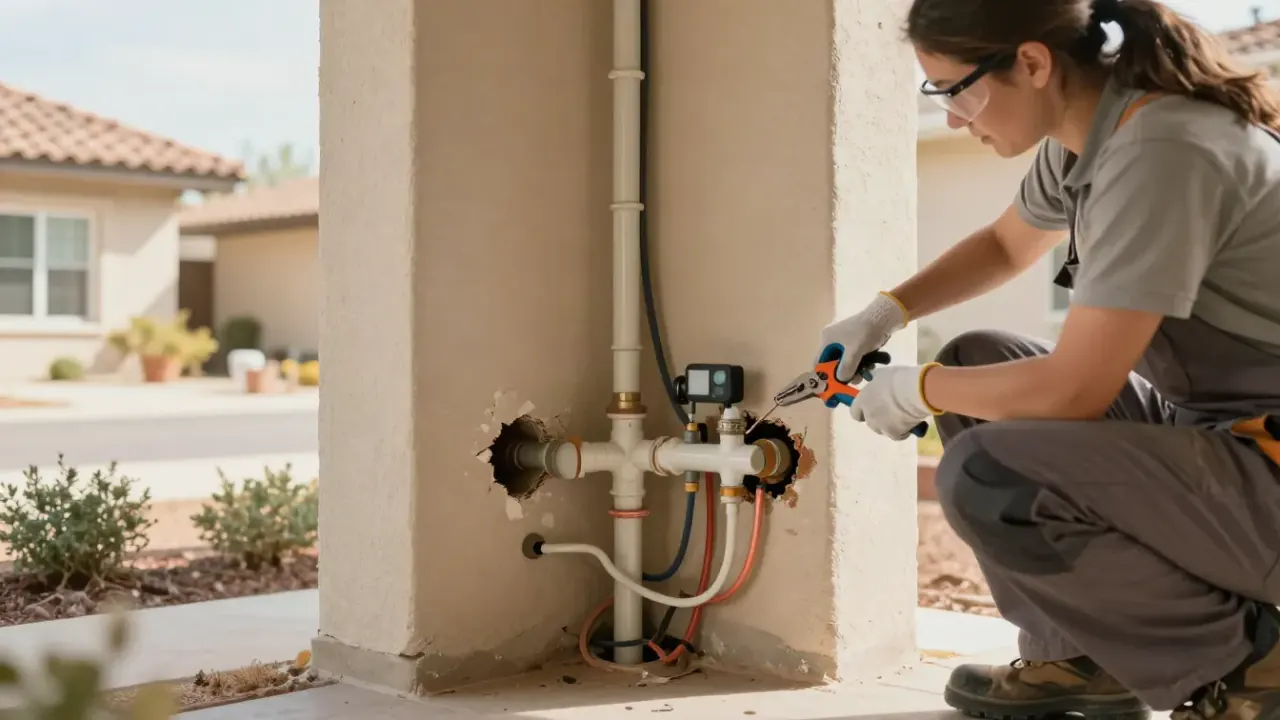
For homes
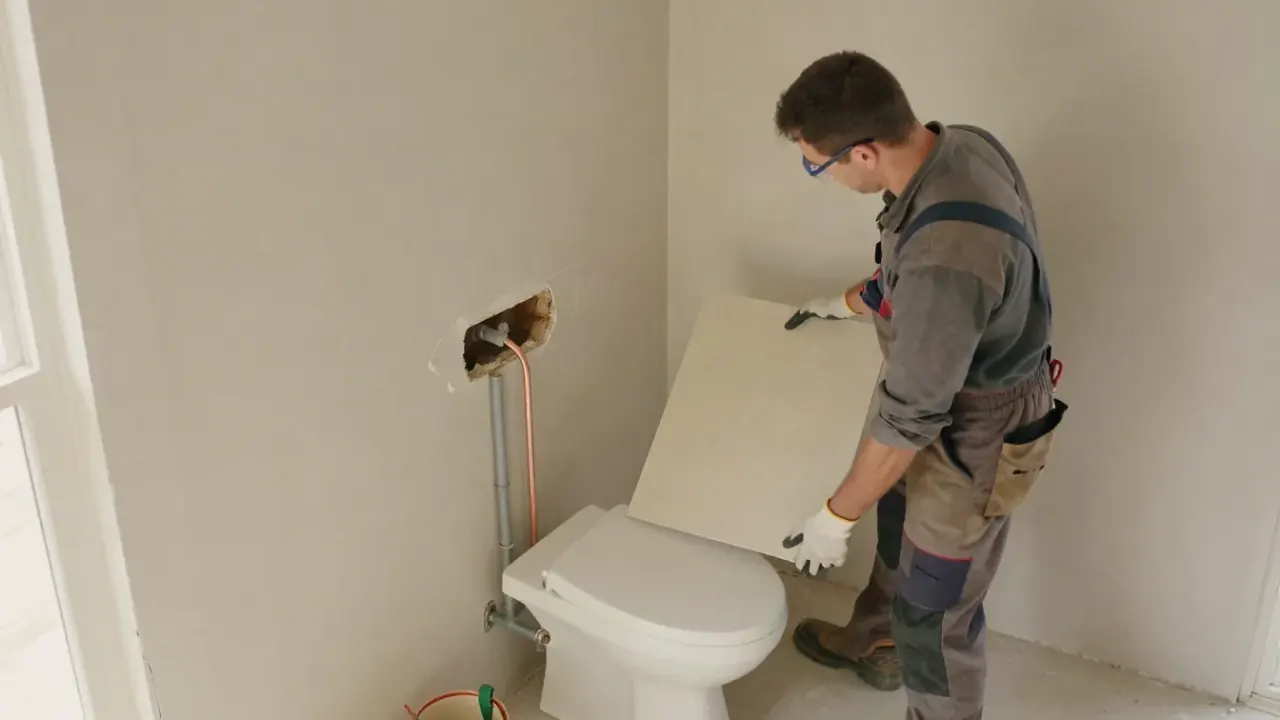
We repipe houses across Baldwin Park, from single-story ranches to two-story homes. You keep water until the switchover day.
- Pinhole leaks in old copper
- Brown water at the taps
- Weak shower pressure
PEX Repiping in Baldwin Park replaces failing copper, galvanized, or polybutylene lines with PEX-A or PEX-B tubing built to last decades. If your 1960s or 1970s Baldwin Park home is throwing pinhole leaks, rusty water, or pressure that drops when the shower runs, we run new lines, pull the permit, and patch the drywall. One crew, one inspection, water back on the same day in most homes.
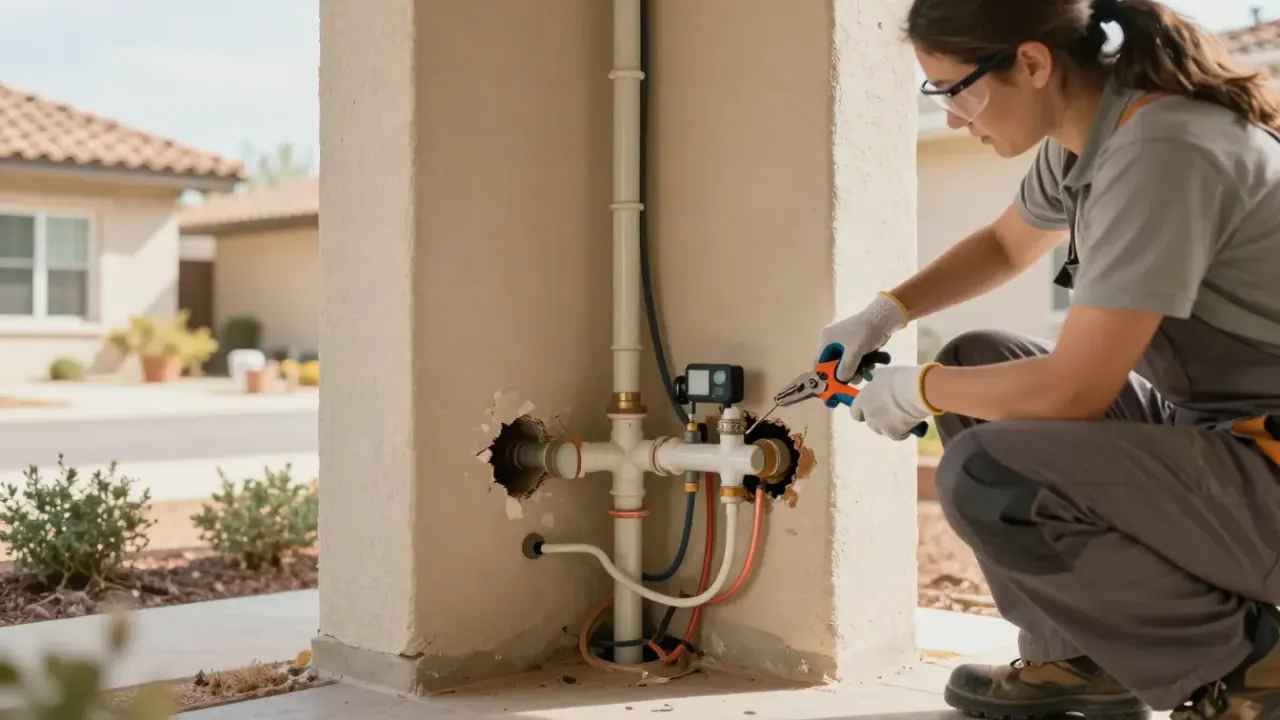 Count fixturesCheck meterMark cut points
Every written scope covers the full path from meter to fixture, plus the permit and the drywall patch. Here is what is standard on our jobs and what we handle separately if your house needs it.
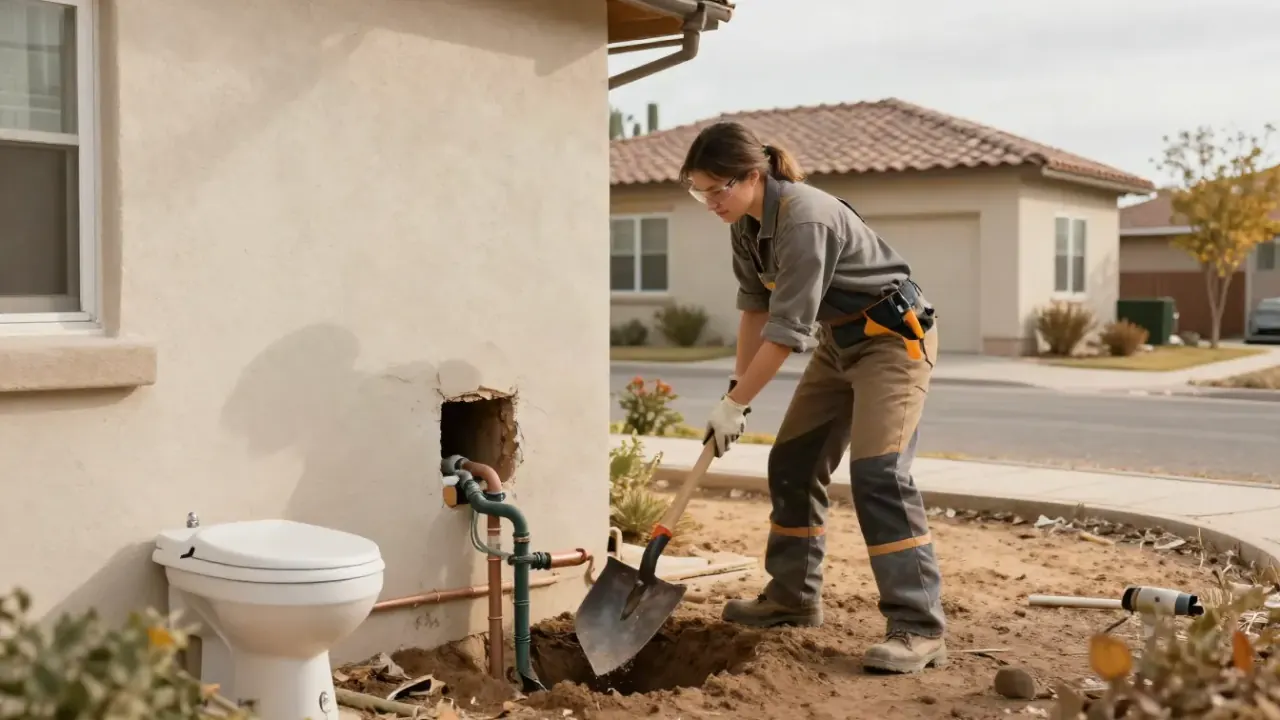
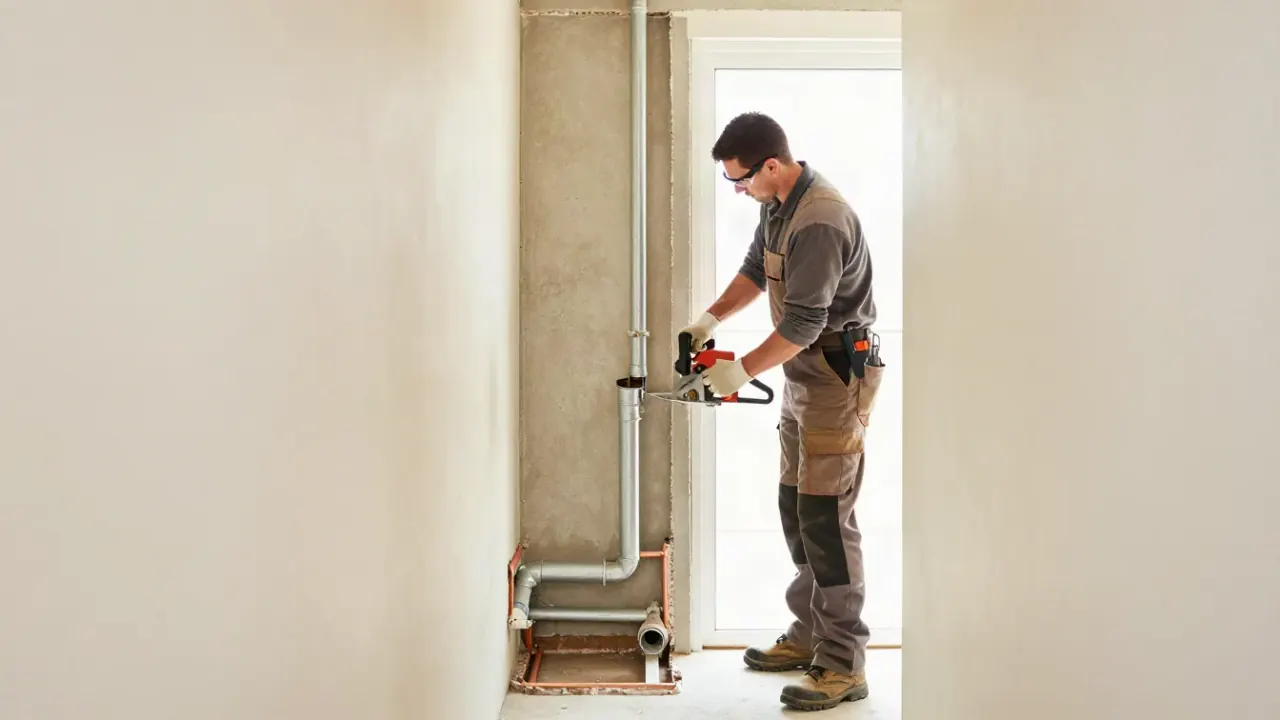
We remove the old copper, galvanized, or polybutylene and run new PEX-A or PEX-B tubing from the main shutoff to every fixture. Tubing carries NSF/ANSI 61, ASTM F876, and ASTM F877 listings, which is what the Baldwin Park inspector checks for.
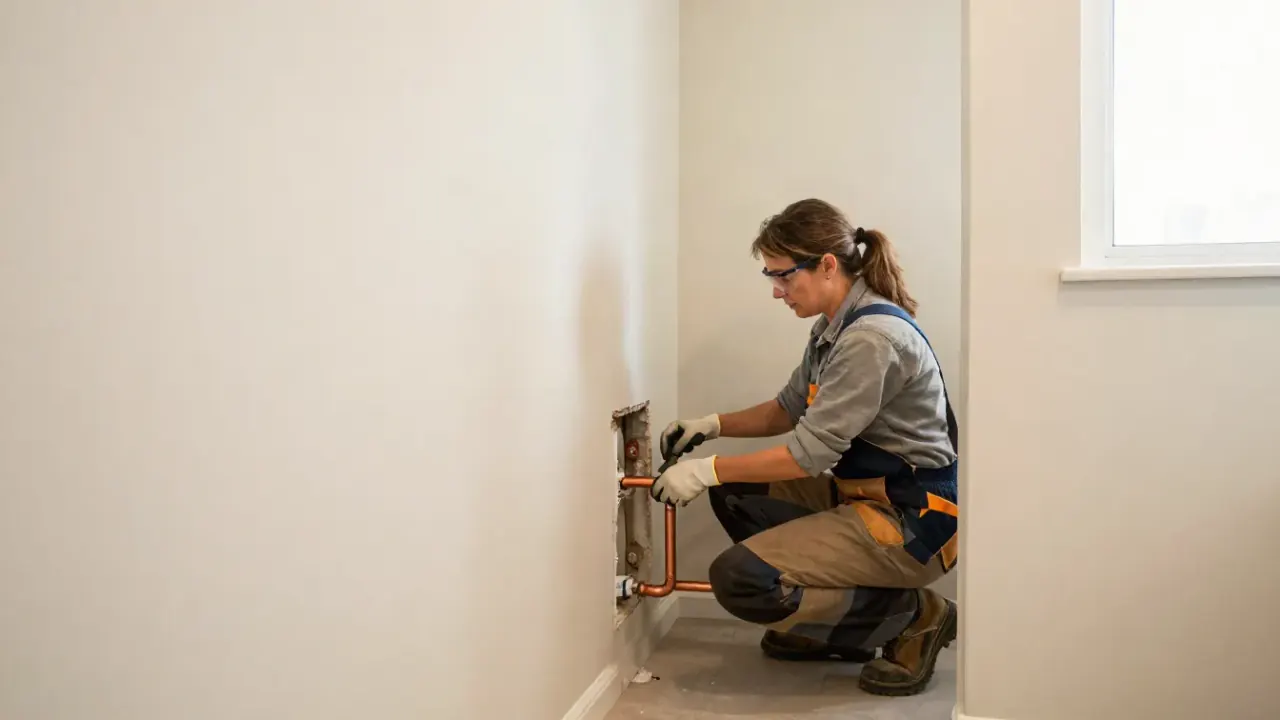
Every connection uses brass fittings rated for the same pressure as the tubing, plus a new main shutoff and fixture stops. No plastic threaded fittings, no reused old valves that fail a year later.
We cap and test each zone at 100 psi for at least an hour before tying in fixtures. If a fitting weeps, we fix it while the wall is still open. You get the test results in the final walkthrough.
We pull the Baldwin Park plumbing permit and meet the inspector on site. The job is not finished until it passes under the Uniform Plumbing Code. You keep the signed-off paperwork for resale or insurance.
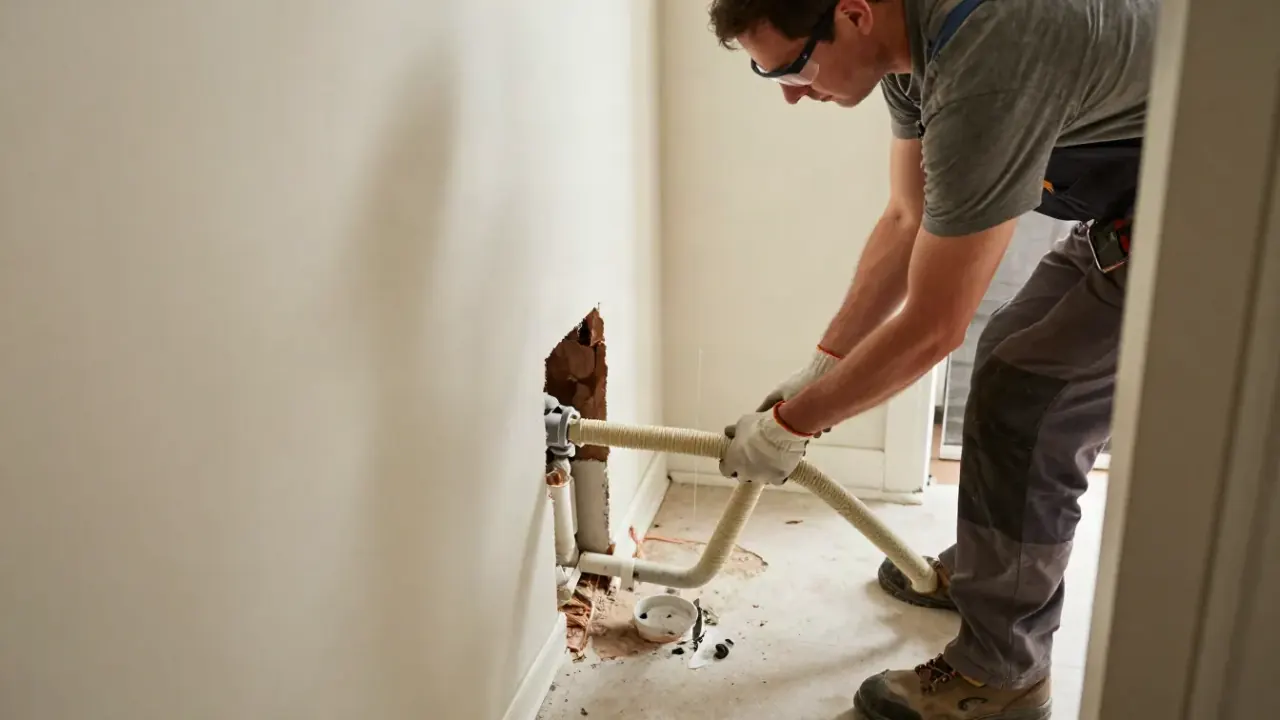
Access holes get patched, textured, and painted to match. We vacuum drywall dust as we cut and haul away the old pipe. Furniture goes back where it was before we started.
We walk the house with you, run every tap hot and cold, and hand over photos of the new lines taken before the walls closed. You know exactly what is behind the drywall and where the shutoff is.
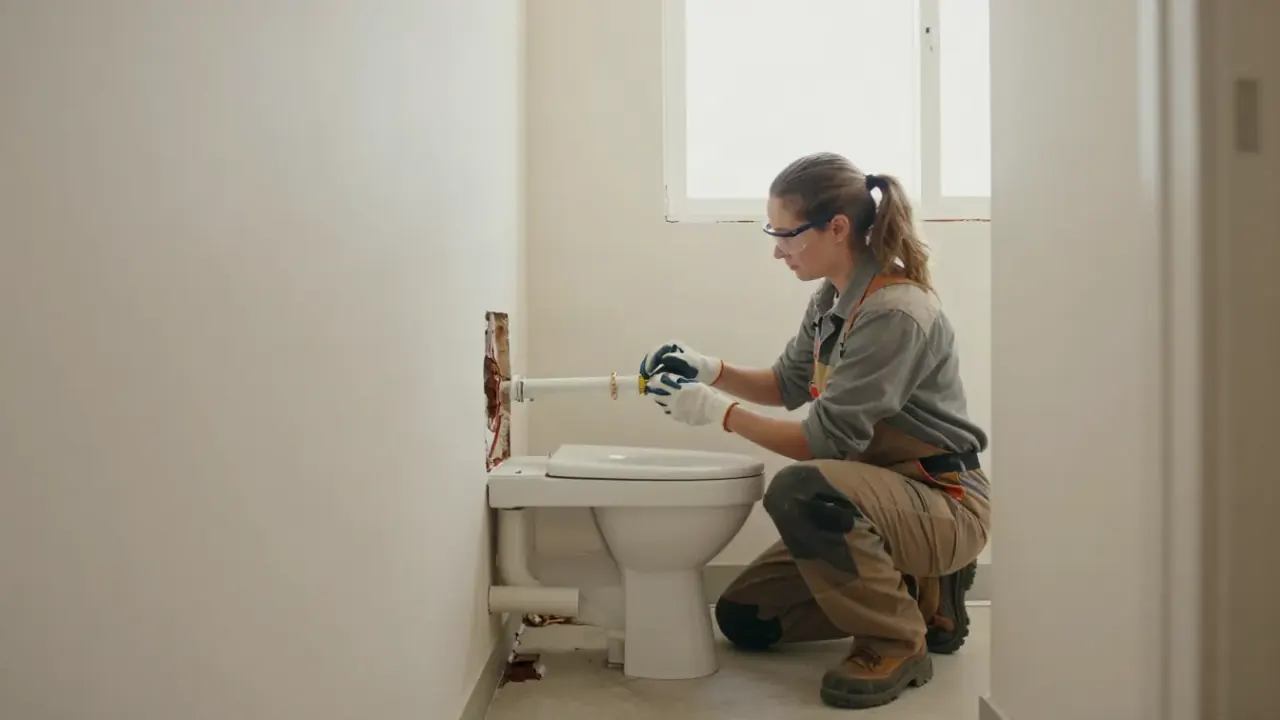
The approach is the same for a home and a business. What changes is the access, the schedule and who needs the paperwork.
We repipe houses across Baldwin Park, from single-story ranches to two-story homes. You keep water until the switchover day.
We handle multi-unit buildings and small commercial spaces in Baldwin Park. Work is scheduled unit by unit so tenants keep water.
A plain-language look at what PEX Repiping involves and when it is needed.
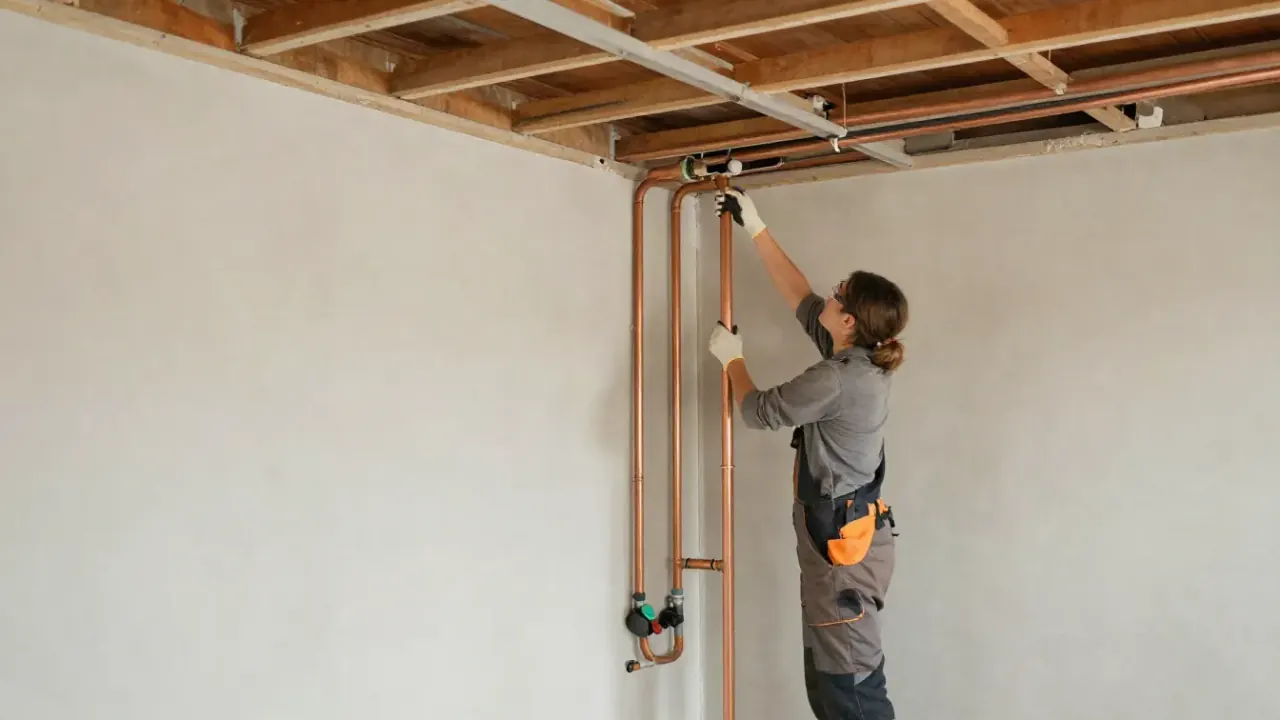
See how it worksPEX Repiping in Baldwin Park means pulling every old supply line out of your walls, attic, or slab and running new cross-linked polyethylene tubing from the meter to each fixture. We cut out copper, galvanized steel pipe, or gray polybutylene, then route PEX-A or PEX-B through the same chases so we open fewer walls. New brass fittings, a main shutoff, and a pressure test gauge on every zone finish the job. No torch inside your walls, no solder and flux smell, no joints waiting to corrode.
Most Baldwin Park repipes we run are on homes built between 1955 and 1980, where original galvanized pipe has scaled shut and copper has started pinhole leaking. If you have been searching PEX pipe replacement near me Baldwin Park and getting vague quotes, the honest answer is that whole house PEX Repiping Baldwin Park usually takes one to three days depending on how many fixtures you have. We handle Los Angeles County permit and inspection coordination so the work is signed off, not just finished.
A repipe replaces every failing supply line in one scheduled job instead of chasing leaks one wall at a time.
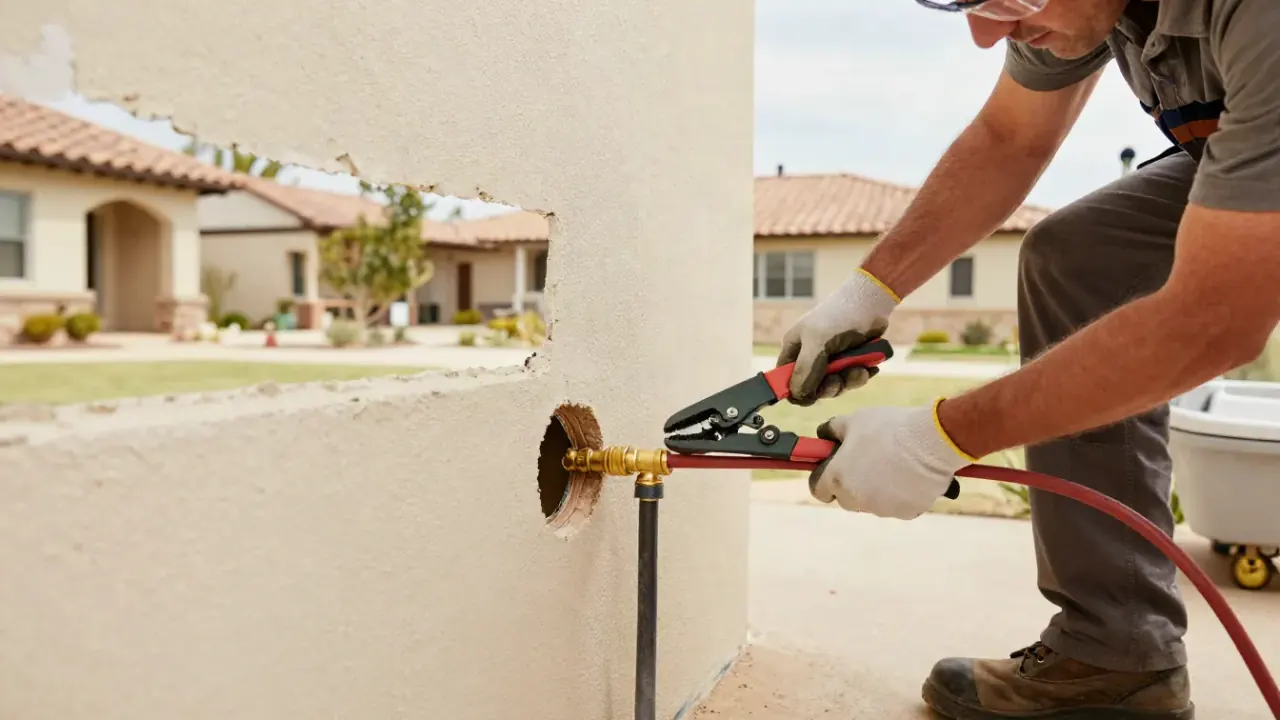
You get a written scope, a start time, and a finished system. Here is the sequence from first call to final inspection.
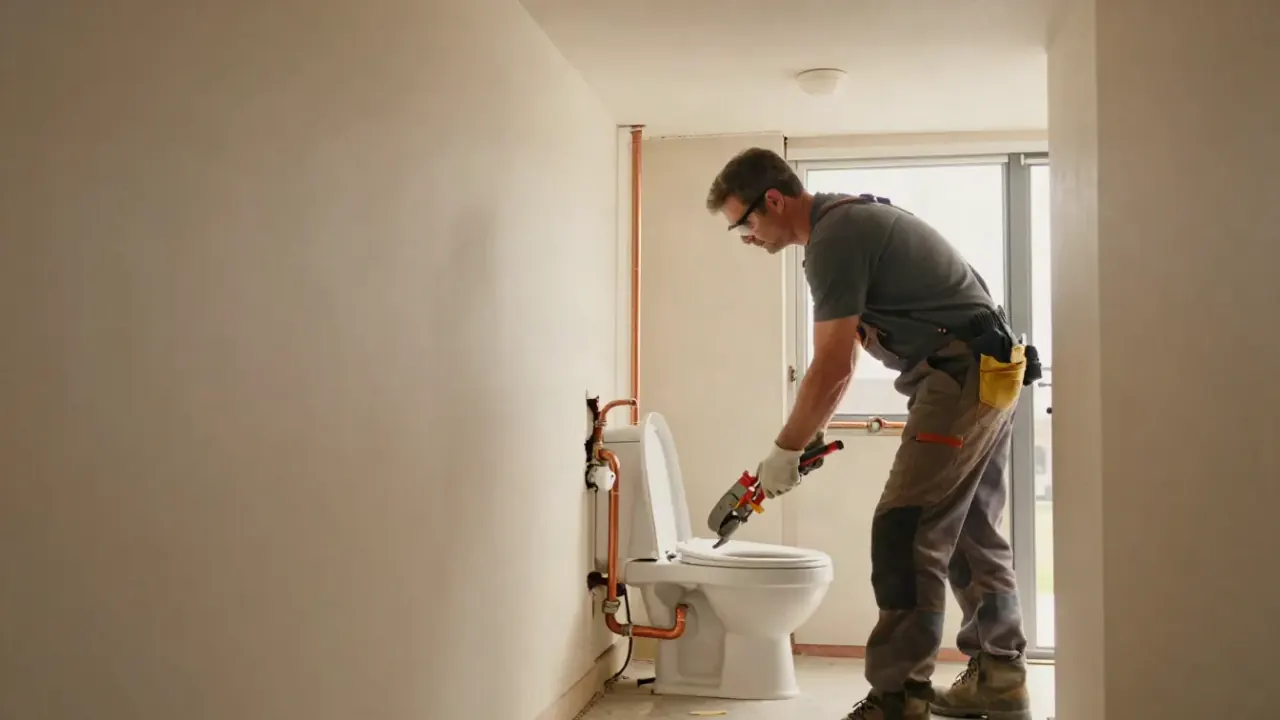
We walk the house with you, count fixtures, check the meter and water heater, and note where the old lines run. You get a written scope the same day with the fixture count, tubing type, and permit included. No guessing, no surprise line items later.
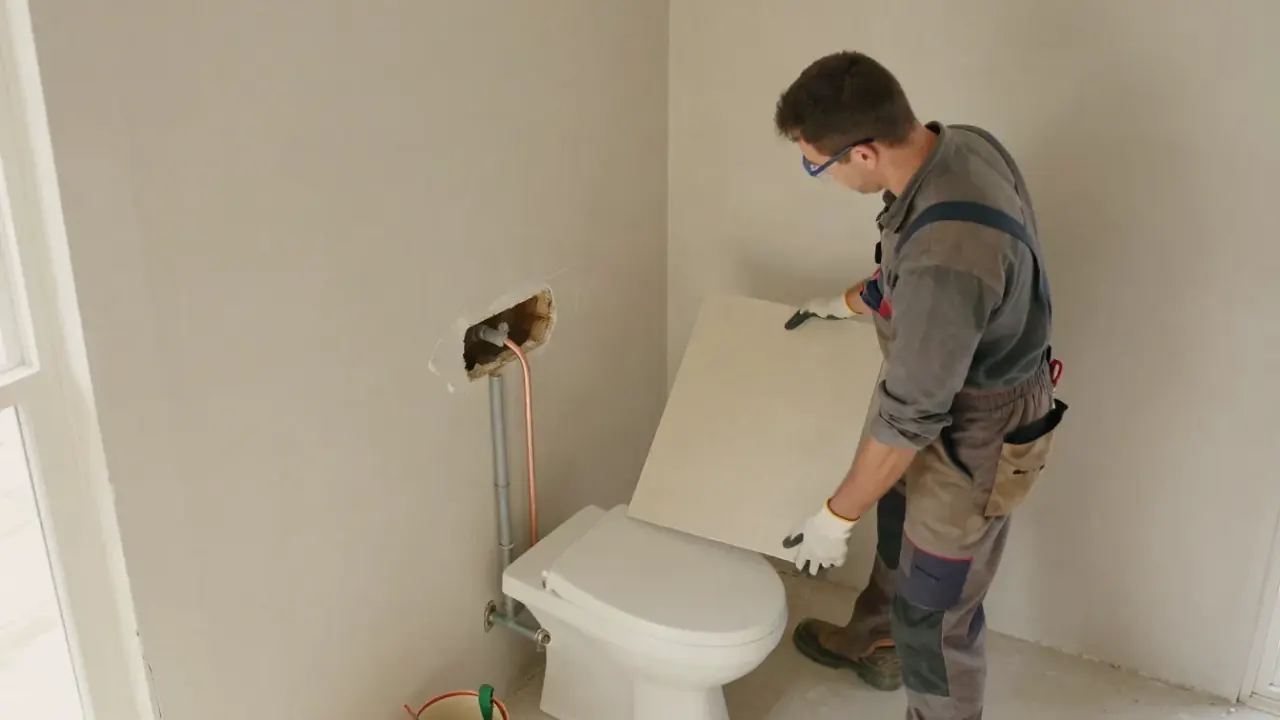
We pull the Baldwin Park permit and schedule the inspection before we cut anything. On day one we lay drop cloths, move furniture away from walls, and mark every cut point. You stay in the house the whole time; we keep water on until the switchover.
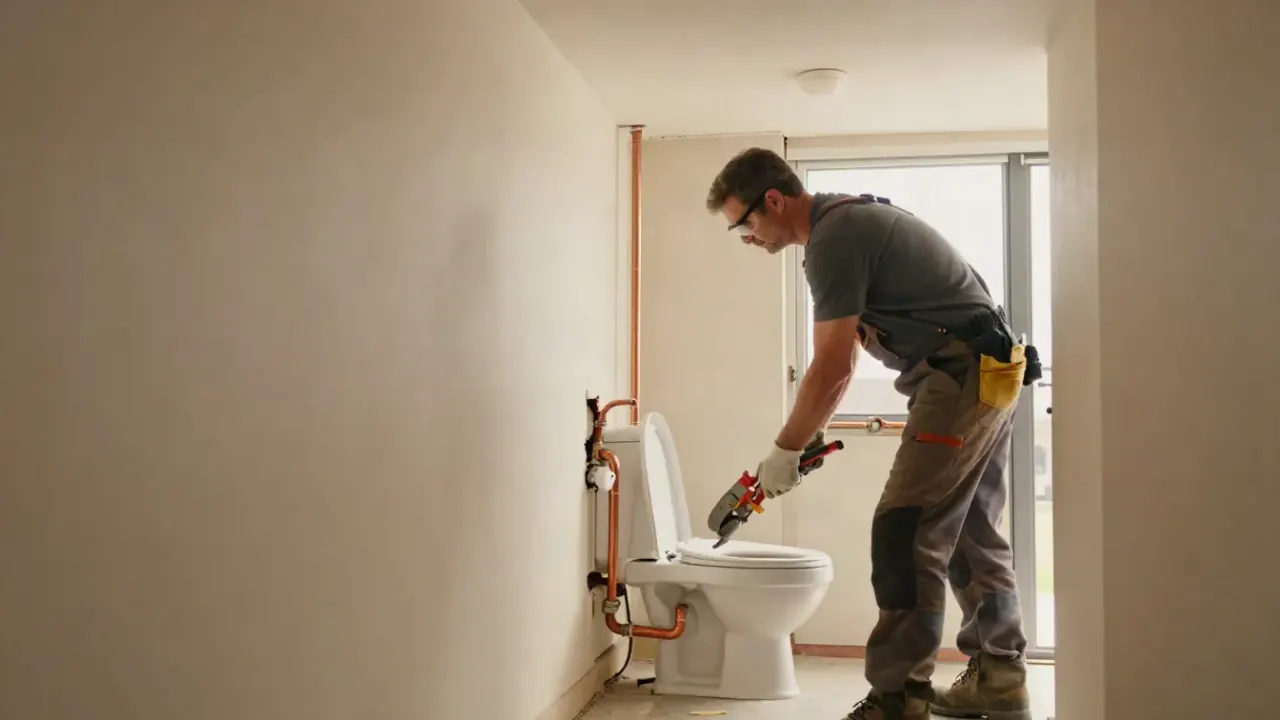
We cut access points, pull the old copper or galvanized out, and fish PEX-A or PEX-B tubing through the same chases. A PEX crimping tool and tubing bender let us make tight turns without extra fittings. Most homes take one to two days of actual pipe work.
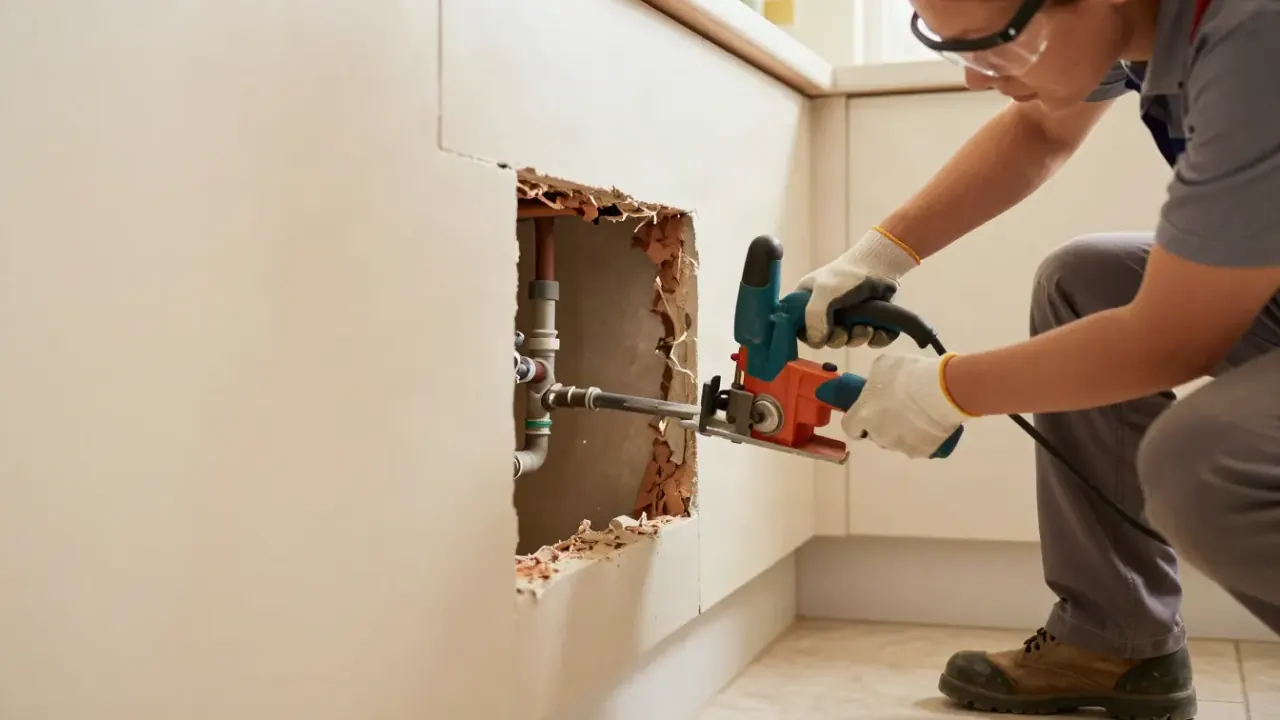
Every zone gets capped and tested at 100 psi for at least an hour before we connect fixtures. We check the water heater, main shutoff, and hose bibs, then restore water and run every tap hot and cold. If a fitting weeps, we fix it now, not after the drywall is closed.
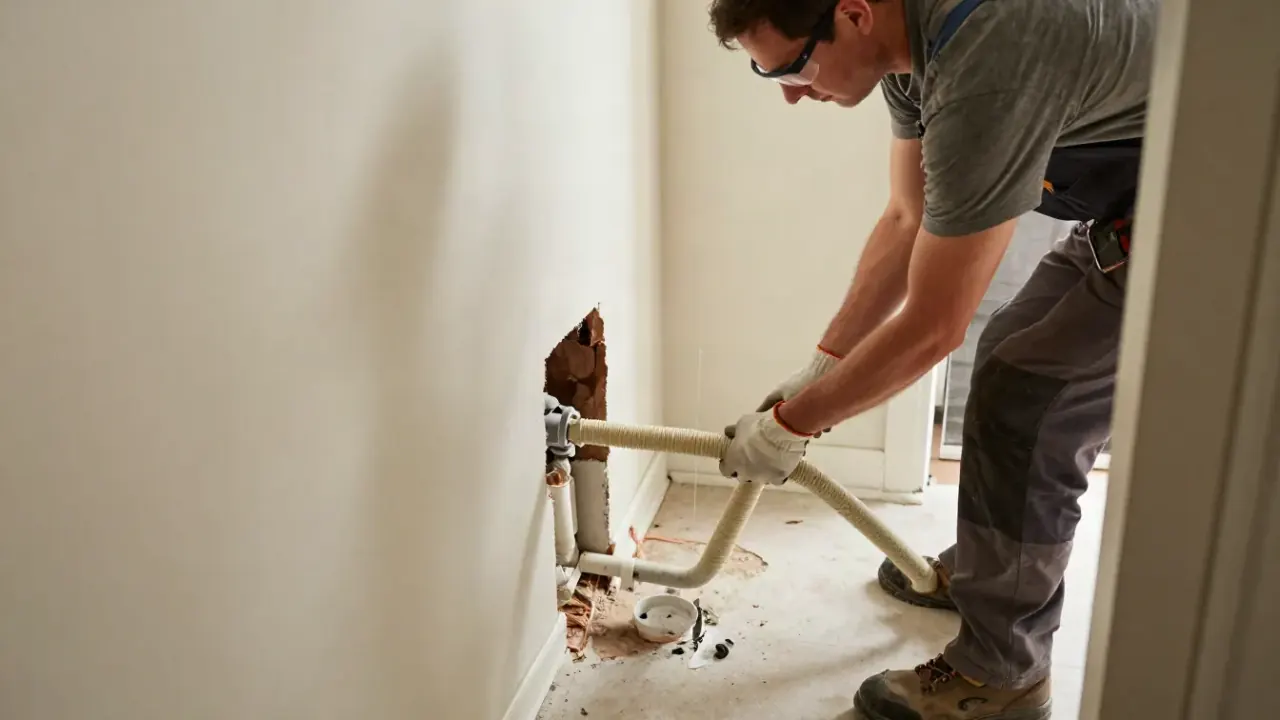
We patch the drywall openings and clean up the same day. The city inspector signs off on the permit, and we walk the house with you one last time. You get the final photos of the lines before the walls closed, so you know exactly what is behind them.
Move across a circle, or focus it and press Enter, for an illustrative thermal view of the photograph.
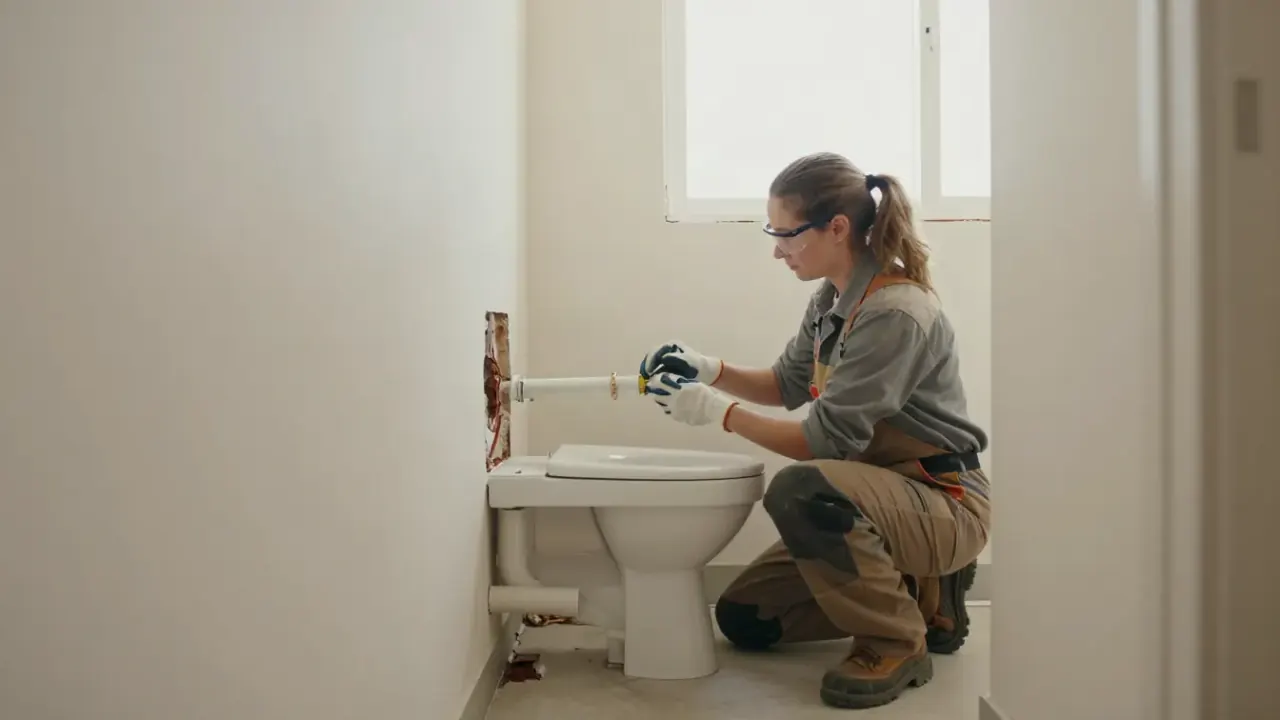
Makes the copper ring connections at every fitting. We check each crimp with a gauge before the wall closes, which is the step that prevents callbacks.
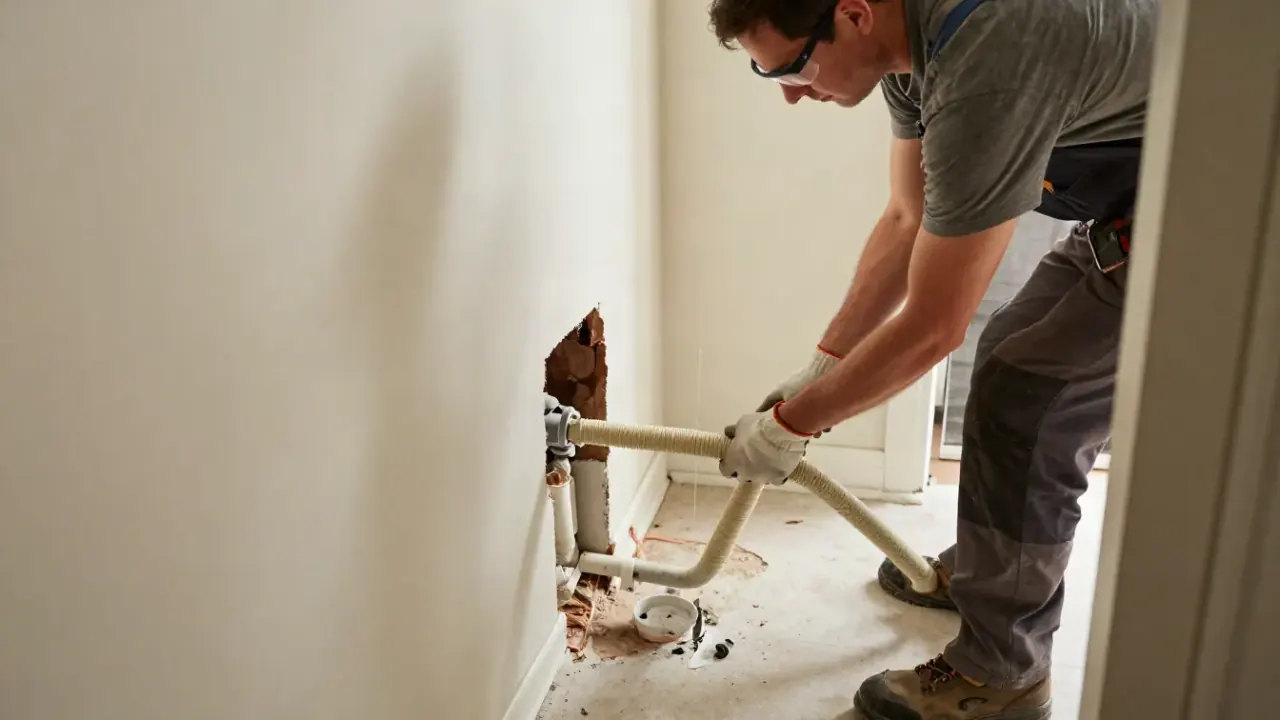
Bends PEX-A around corners without extra fittings, so fewer connections sit inside the wall. Fewer joints means fewer places for a leak to start.
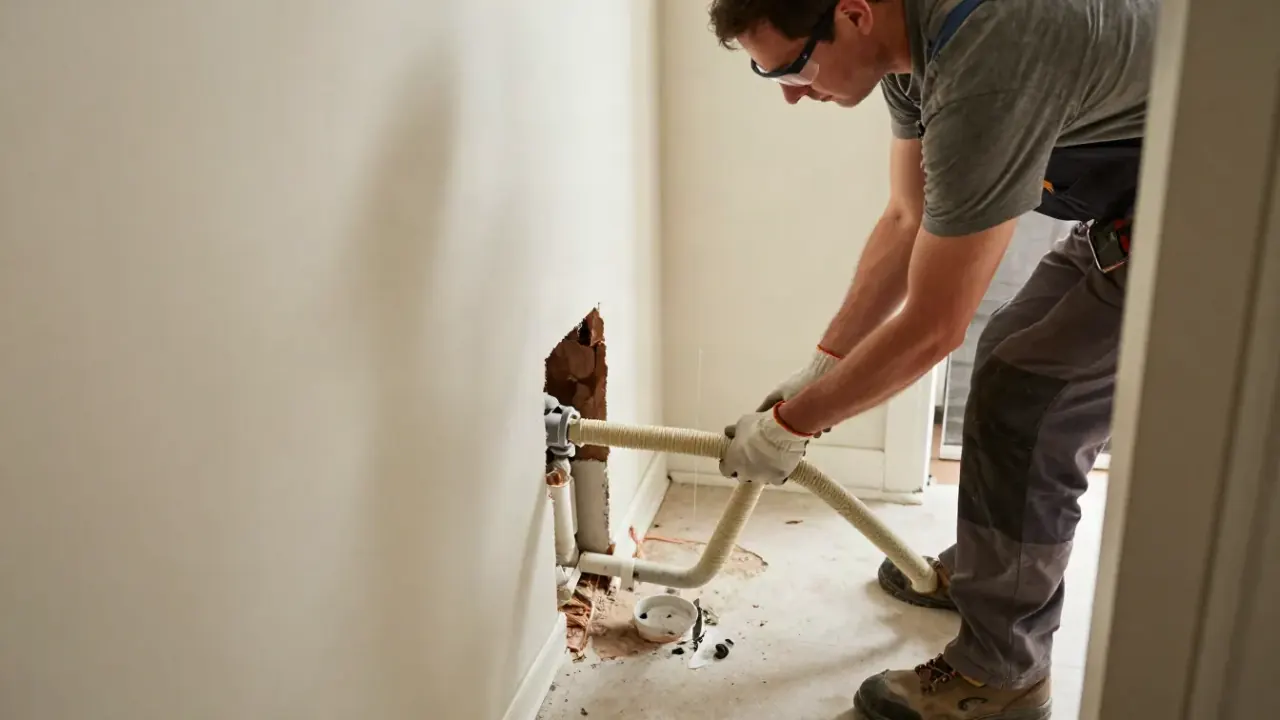
Holds each zone at 100 psi for at least an hour before tie-in. If the needle moves, we find the fitting and fix it while the wall is still open.
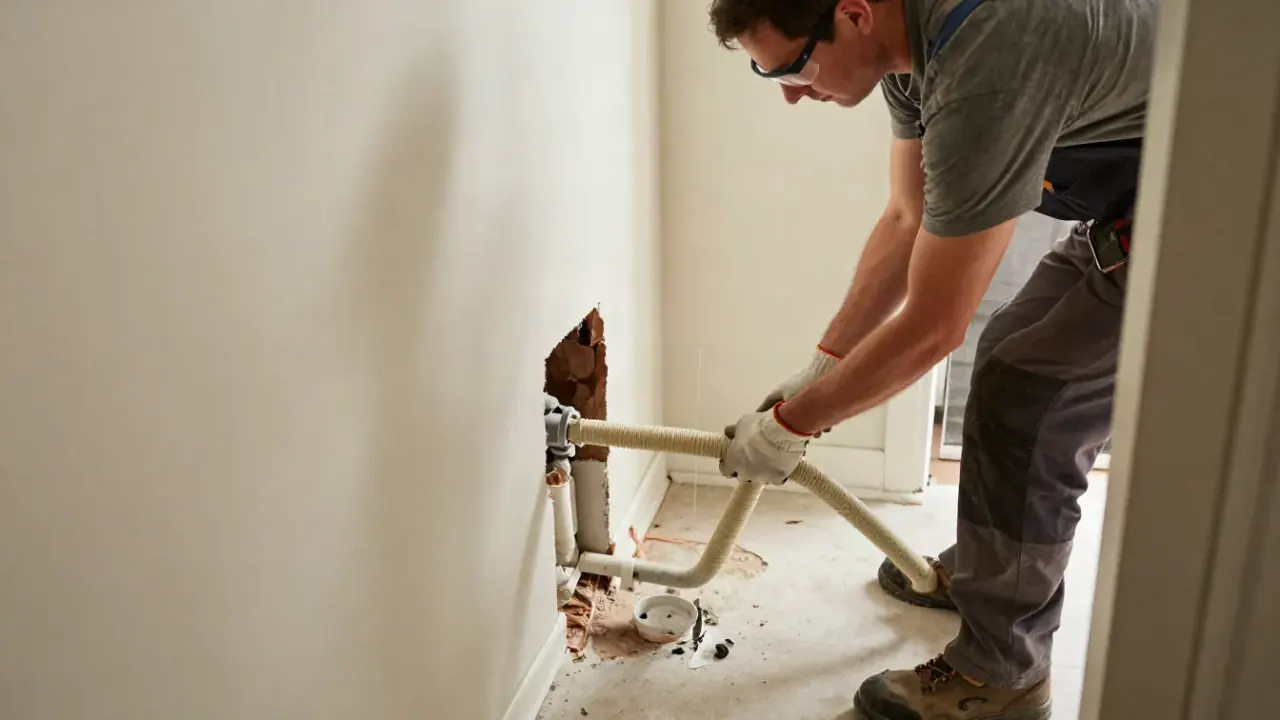
Lets us look inside wall cavities and under slabs before we cut, so we know where the old lines run and where the new ones can go.
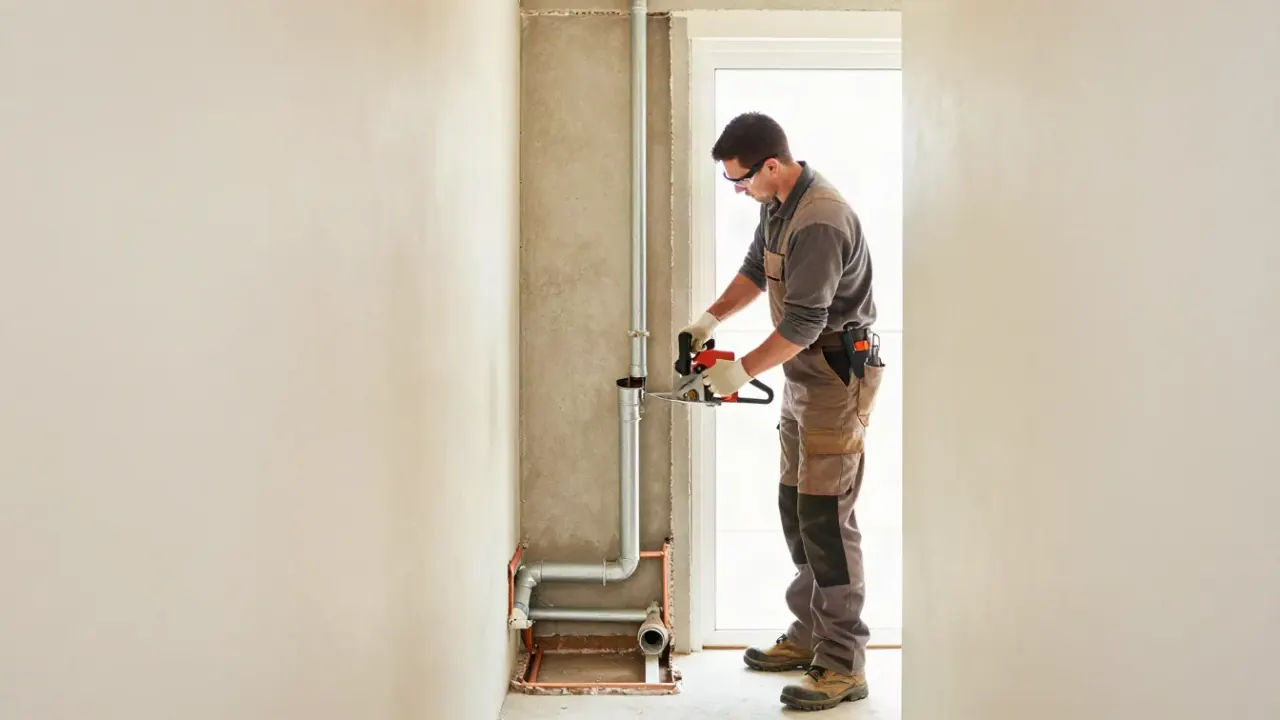
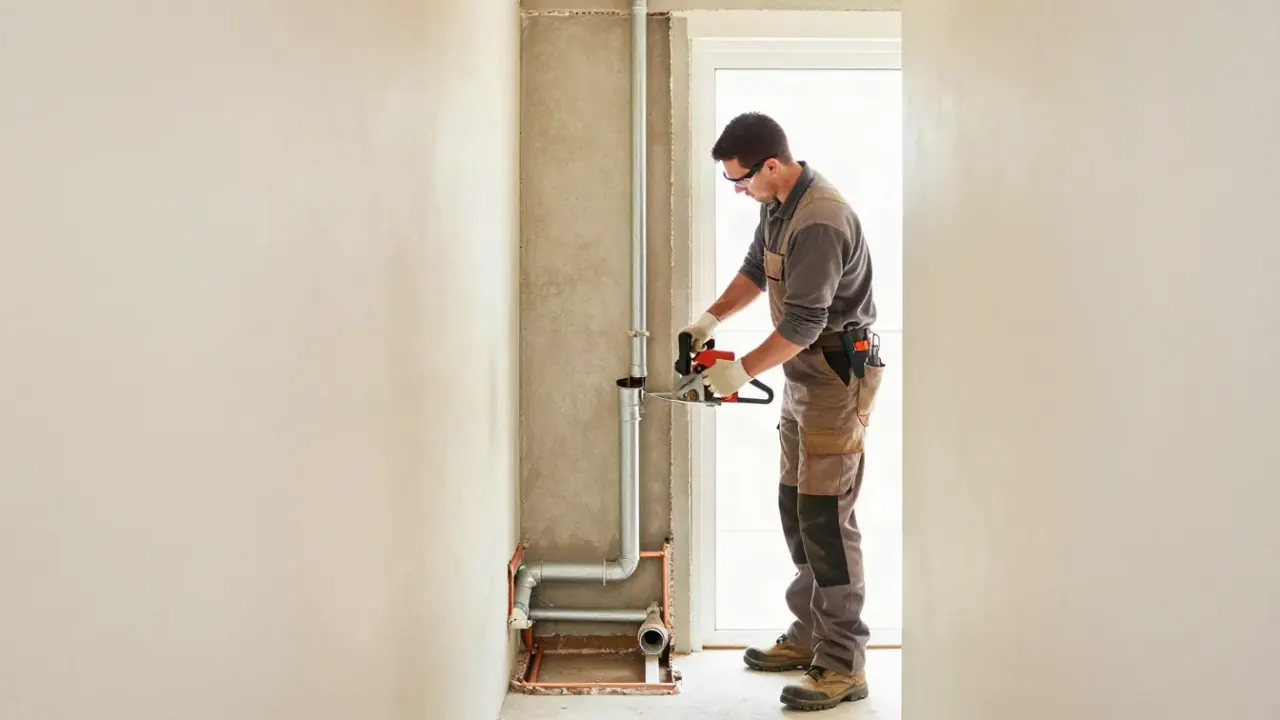
Cuts access openings and removes old copper or galvanized pipe cleanly. We use it with a vacuum attachment to keep drywall dust out of the room.
Thermal views are illustrative, generated from the photographs.
Used only on copper tie-ins at the water heater or exterior runs. PEX lines themselves never see a torch, which is one reason the job is safer inside walls.
Every repipe is run to UPC standards, including pipe sizing, support spacing, and protection plates where lines pass through studs. This is what the Baldwin Park inspector checks, and it is why the sign-off is routine on our jobs.
We use tubing and fittings with these listings because they cover potability, dimensional standards, and pressure ratings. The inspector looks for the markings on the pipe, and so should you.
Instead of testing the whole system at once, we cap and test each zone separately at 100 psi. If something fails, we know exactly which run to fix before any drywall goes back.
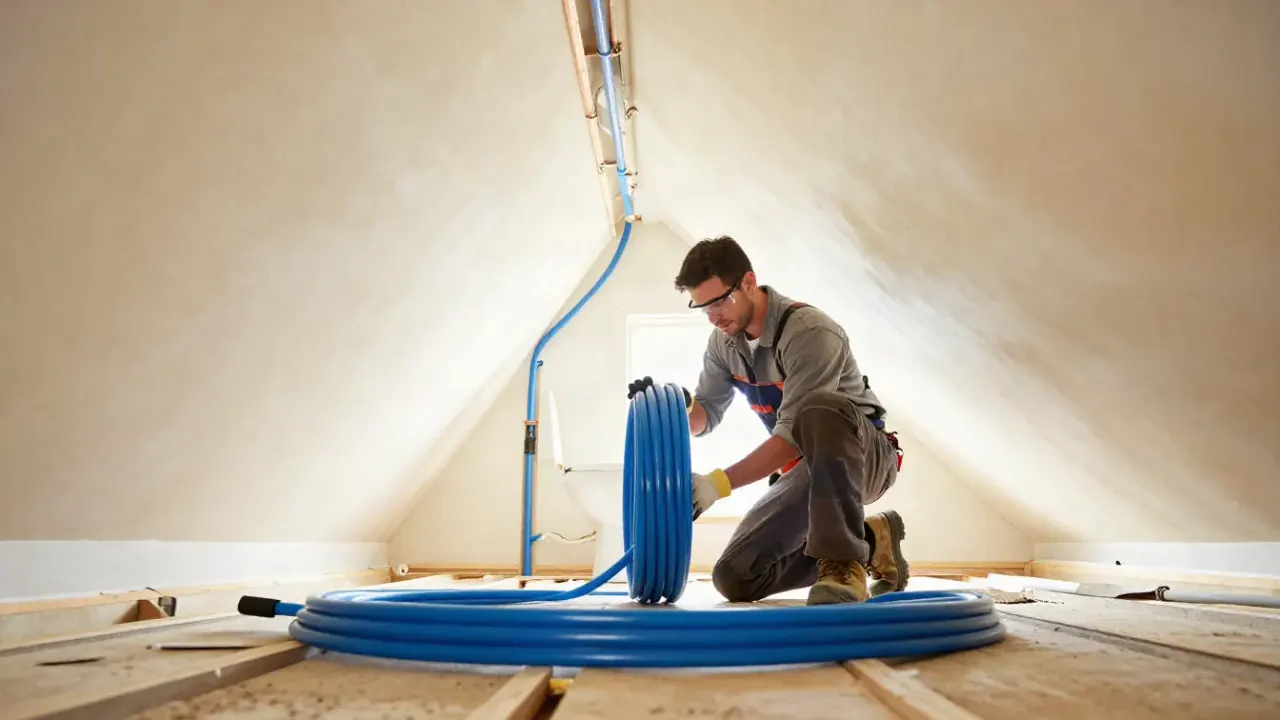
Where the layout allows, we run PEX through the attic or crawlspace instead of cutting every wall. It keeps the drywall patching to a minimum and makes future access easier.
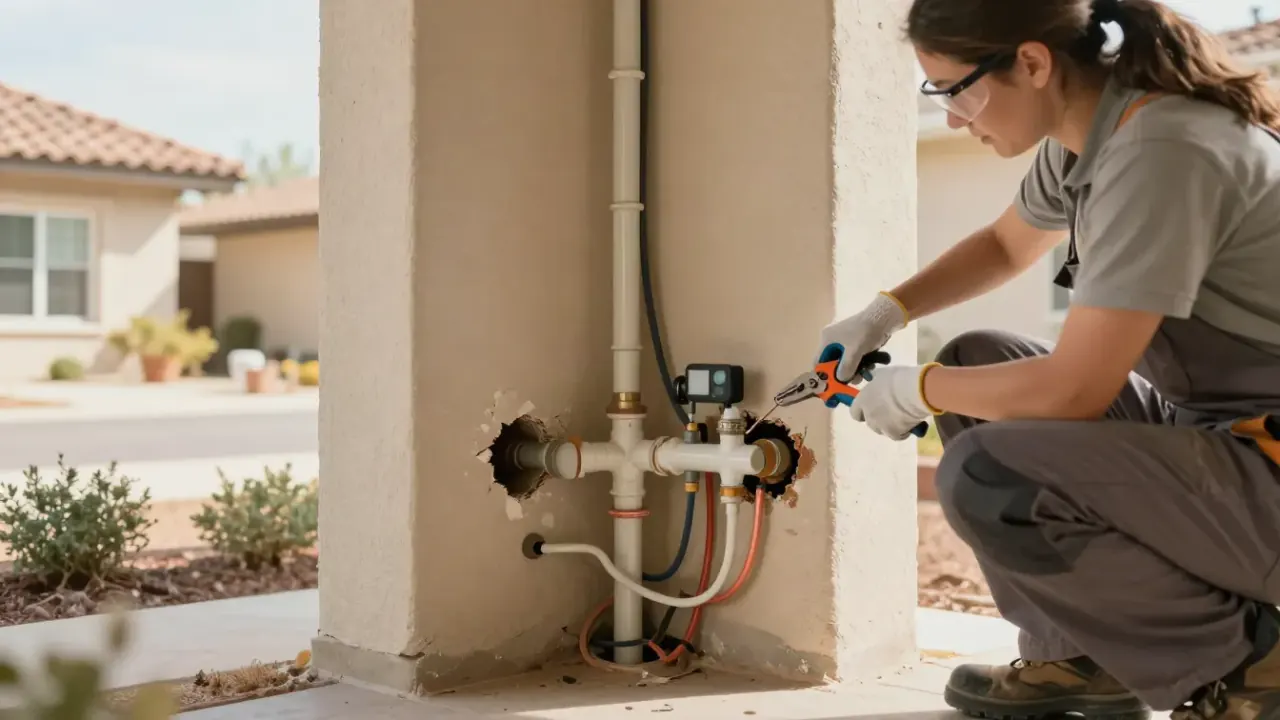
A 1962 ranch home near Morgan Park has had two pinhole leaks in 18 months and the homeowner is tired of patching walls.
We scope the whole system, confirm the copper is failing along its length, and repipe the house in PEX-A over two days. Drywall patches are included, and the permit is pulled before we cut.
Outcome: No more emergency repairs, full pressure at every fixture, and a signed-off permit that clears the issue for resale.
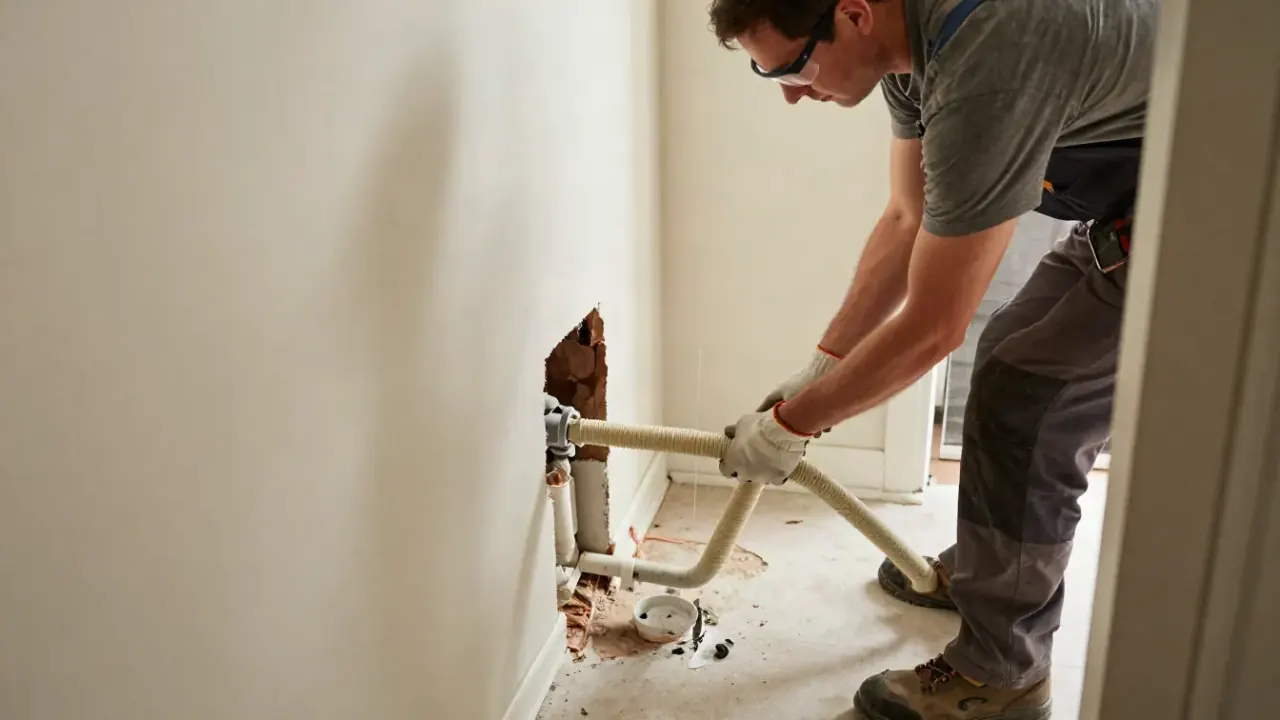
A two-story home in Valley View Acres loses shower pressure whenever the dishwasher runs, and the water has a metallic taste.
We replace the original galvanized steel with PEX-B tubing sized for the fixture count, then flush every line. The water heater connection and main shutoff are replaced at the same time.
Outcome: Pressure holds steady with multiple fixtures running, and the metallic taste is gone within a day of the switchover.
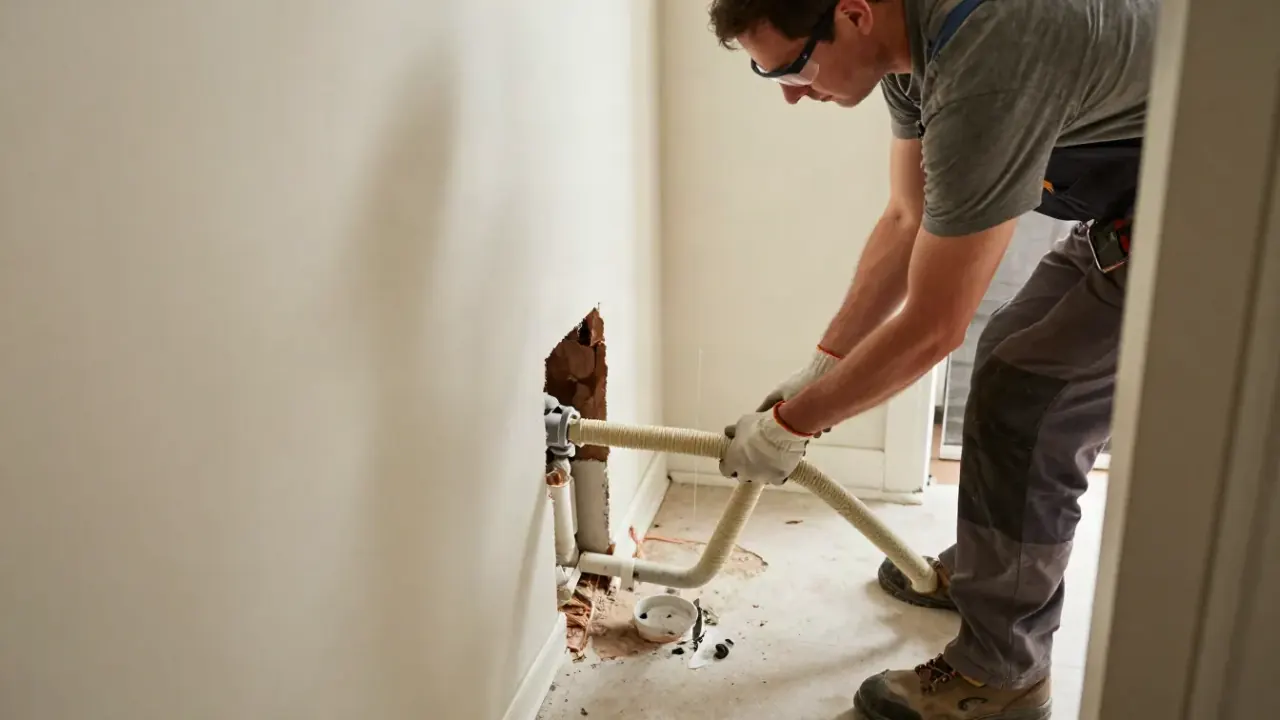
A fourplex near City Center has polybutylene lines that keep failing at the fittings, and the owner needs it fixed before the next insurance renewal.
We repipe all four units in PEX-A over five days, working unit by unit so tenants keep water. Permits and inspections are coordinated around the tenants' schedules.
Outcome: All four units pass inspection, the polybutylene is gone, and the owner has documentation for the insurance carrier.
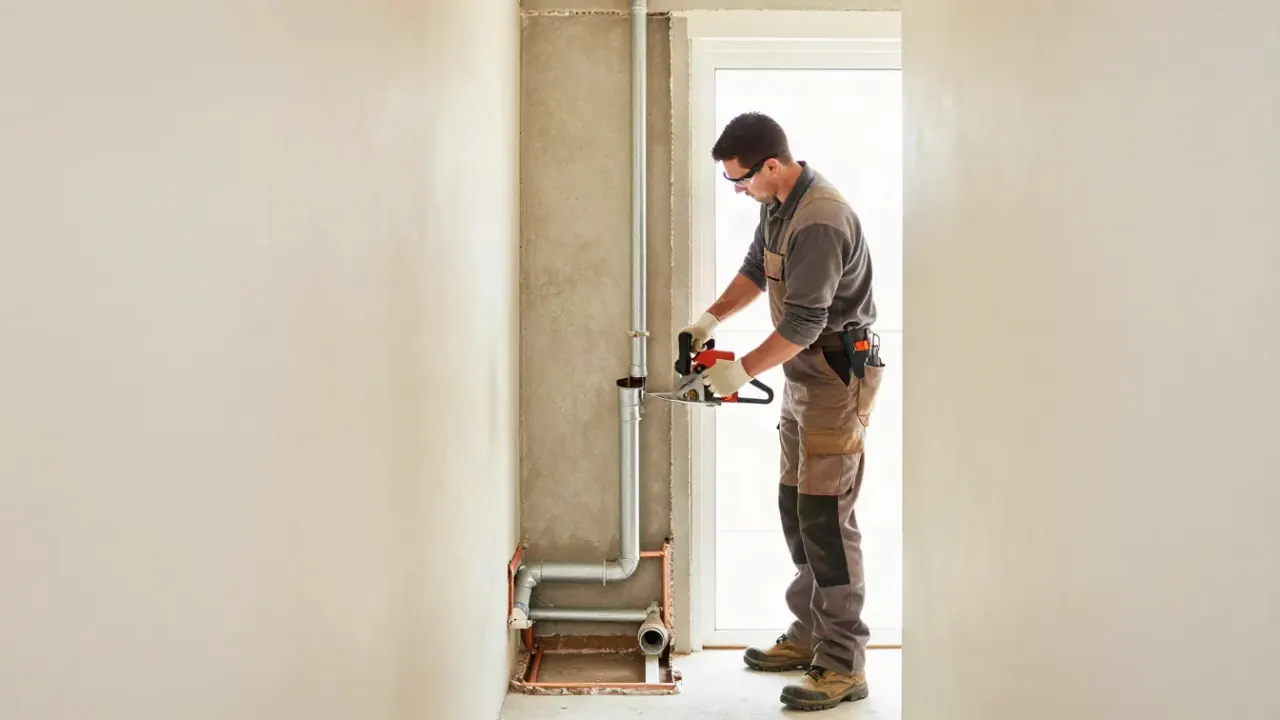
A homeowner in West Baldwin Park is selling in 60 days and the buyer's inspector flagged galvanized supply lines.
We repipe the house in PEX-A on a fast schedule, pull the permit, and meet the inspector so the sign-off lands before escrow closes. Photos of the new lines go to the buyer's agent.
Outcome: The inspection objection is cleared, escrow stays on track, and the buyer gets documentation of the new system.
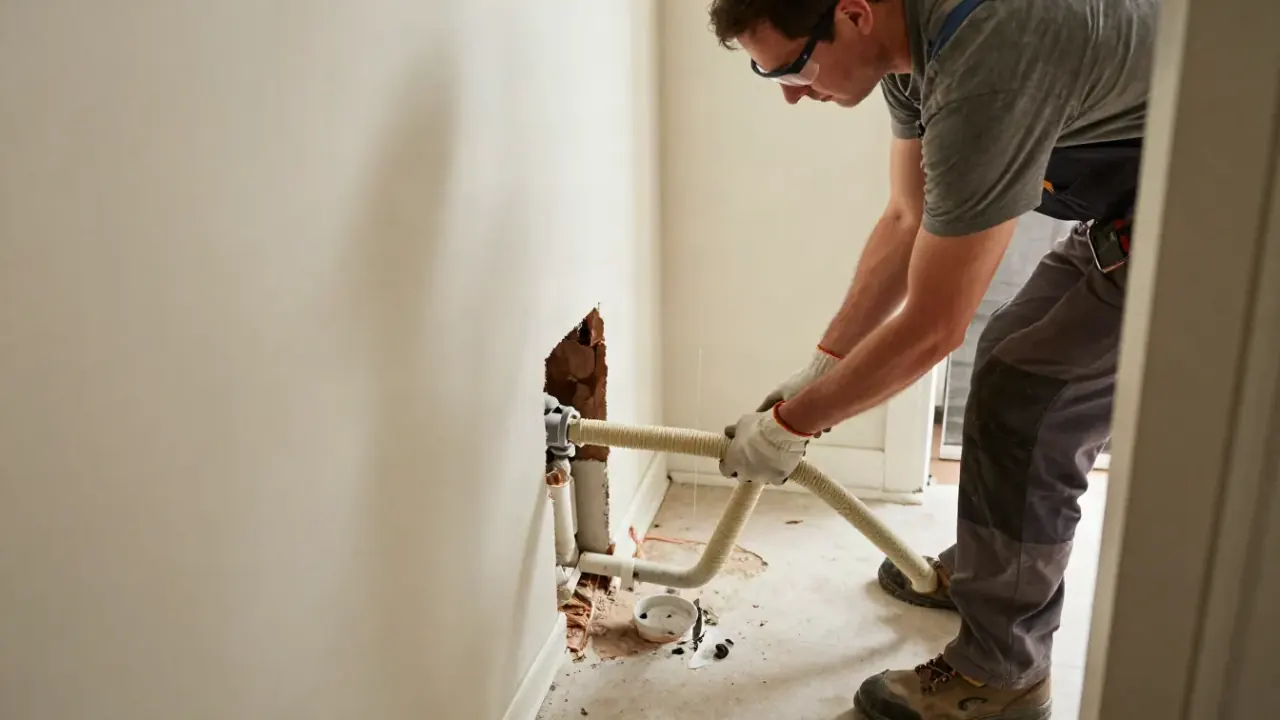
Baldwin Park sits in the San Gabriel Valley, where the water is hard enough to scale copper and galvanized pipe faster than in softer-water cities. That is why so many homes built between 1955 and 1980 are due for a repipe right now.
Most of the housing stock is single-story ranch and bungalow construction with attic or slab routing, which is good news: we can usually run PEX through the attic and keep drywall cuts to a minimum. Two-story homes near Valley View Acres and Northeast Baldwin Park take a bit longer because lines run through shared chases.
Summer heat in the attic hits 130 degrees or more, so we route and support tubing to handle expansion, and we never leave a line resting on a hot duct. Winter mornings in the 40s are when old copper tends to let go, which is why we see a spike in emergency calls from December through February.
Before: A 1962 ranch home near Morgan Park had two pinhole leaks in 18 months, each one opening a different wall. Pressure at the back bathroom was weak and the homeowner was patching drywall twice a year.
After: We repiped the house in PEX-A over two days, tested each zone at 100 psi, and patched every opening. Pressure at the back bathroom matched the front, and no leaks have returned.
Check the main shutoff annually and keep the photo record of the new lines. PEX-A needs no flushing beyond normal fixture maintenance.
Before: A 1968 home in Valley View Acres had galvanized steel lines that turned the water brown every morning. The shower lost pressure whenever the washer filled, and fixtures were stained.
After: We cut out the galvanized pipe, ran PEX-B through the same chases, and replaced the main shutoff and water heater connection. The water ran clear after the first flush and pressure held with two fixtures running.
Run the hose bibs monthly to keep flow moving and check under sinks twice a year for any weeping at the stops.
Before: A fourplex near City Center had gray polybutylene lines cracking at the fittings, with two cabinet floods in a year. The owner needed documentation before the next insurance renewal.
After: We repiped all four units in PEX-A over five days, working unit by unit so tenants kept water. All four units passed inspection and the owner received the signed-off permit paperwork.
Keep the inspection paperwork with the property records and have the main shutoff exercised once a year to confirm it still turns freely.
Old supply lines fail in predictable ways. These are the calls we get most often from Baldwin Park homeowners, and what it takes to stop them for good.
New PEX lines mean steady pressure, clear water, and no more emergency repairs.
Pinhole leaks in 40-year-old copper usually come back in a different spot within a year. PEX-A tubing has no soldered joints inside the wall, so the failure points that caused your first leak are gone. We pressure test every zone at 100 psi before the drywall goes back.
Galvanized pipe scales from the inside out, so a 3/4-inch line can flow like a 3/8-inch line after 50 years. New PEX runs at full bore, which means the shower stays hot when someone starts the dishwasher. Most customers notice the difference the first morning.
Discolored water in Baldwin Park homes usually traces back to rust inside galvanized steel or a failing polybutylene line. Once those pipes are out, the water runs clear. We flush every fixture and check the water heater connection before we call the job done.
A burst pipe at 2 a.m. costs more than the repipe ever would. Replacing the whole system in one scheduled visit removes the guesswork. We also tag the main shutoff and show you where it is, so you are not hunting for it during the next emergency.
What a written scope covers and what shapes it. Prices are set by the business after the first look.
Included
Depends on
Clear records you can keep and share.
Fixture count and tubing type
Baldwin Park plumbing permit
Zone pressure test results
New lines before walls closed
The tubing type changes how the line handles heat, pressure, and fittings. Here is the plain difference.
Flexible tubing with the strongest fitting method
Stiffer tubing with crimp ring fittings
A list like this tells people straight away whether you cover their street. Not listed? Call and ask: it only takes a minute.
Based in Baldwin Park and covering the places around it. Pick one for local details.
A single-story 1,400 sq ft home with two baths usually lands near the lower end. Two-story homes with slab access and more fixtures sit higher. We quote by fixture count, so the written scope is the price.
For most Baldwin Park homes, yes. Copper lasts decades but pinhole leaks are common in our water chemistry once the pipe passes 40 years, and every repair means another soldered joint. PEX-A has no joints inside the wall, resists scale, and handles the same 100 psi test. Copper still makes sense in a few exposed exterior runs, and we will say so if your house is one of them.
A typical Baldwin Park repipe takes one to three working days. A single-story home with two bathrooms is usually a two-day job: day one for running lines, day two for tie-ins, testing, and drywall patching. Larger two-story homes with three or more baths can run four days. You keep water service until the switchover, which usually happens on the final morning.
Yes. Baldwin Park requires a plumbing permit for any repipe that replaces supply lines inside walls, and the work must pass inspection under the Uniform Plumbing Code. We pull the permit, schedule the inspection, and meet the inspector on site. Skipping the permit can complicate a future home sale, so we build it into every written scope.
Other services from the same team.
Call (626) 254-4162 and we will walk your house, count fixtures, and hand you a written scope the same day.
Call (626) 254-4162 or email info@baldwinparkrepiping.com to book an estimate. We answer the phone during business hours and return messages the same day. If you have an active leak, say so when you call and we will move you to the front of the schedule.