West Covina Homes
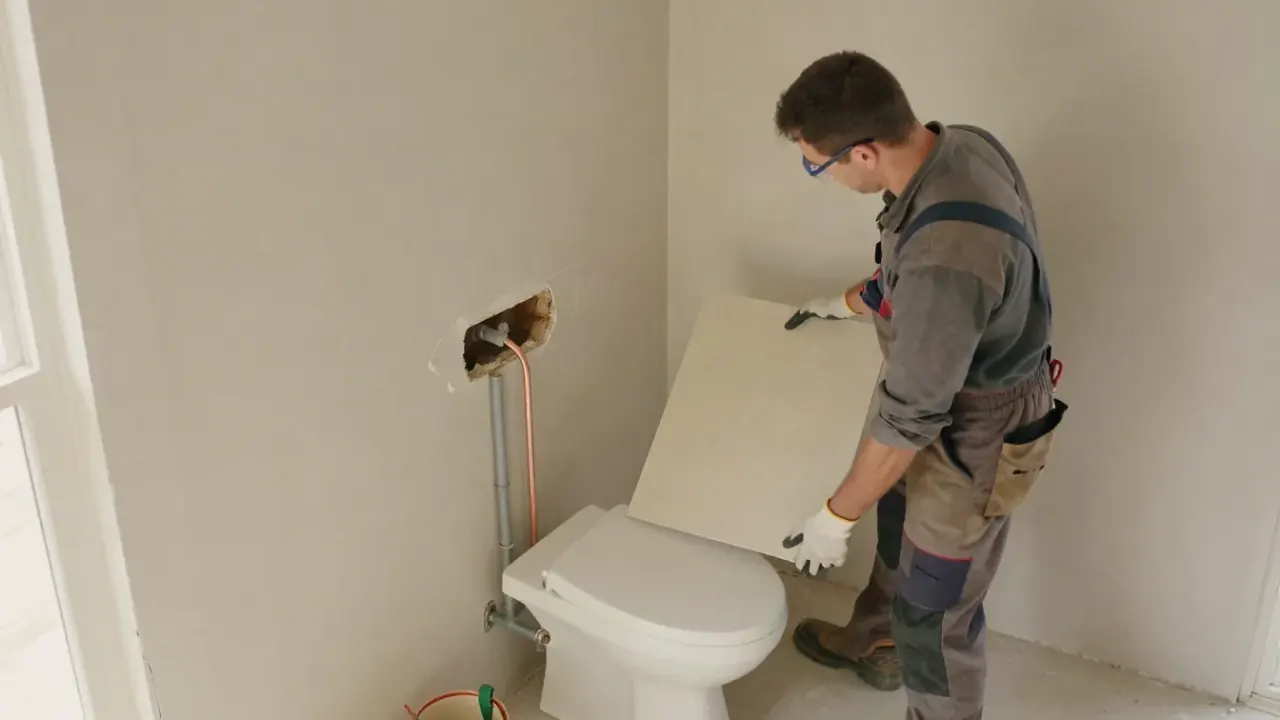
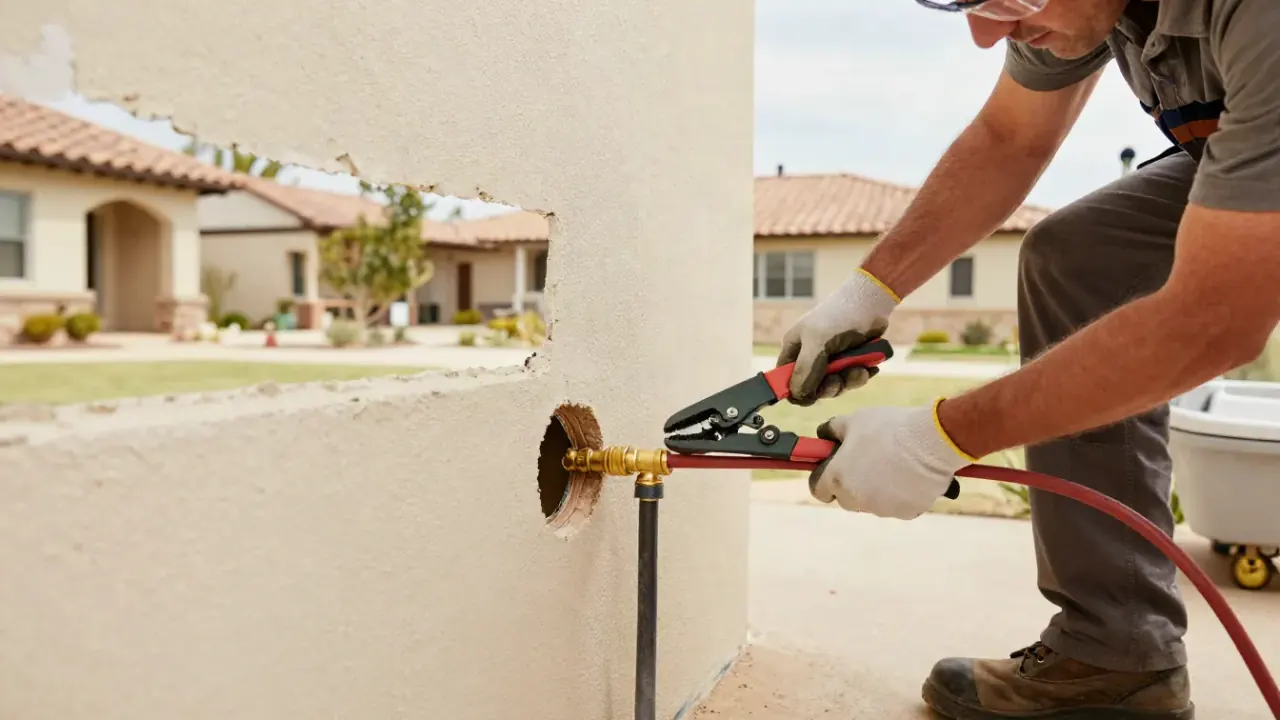
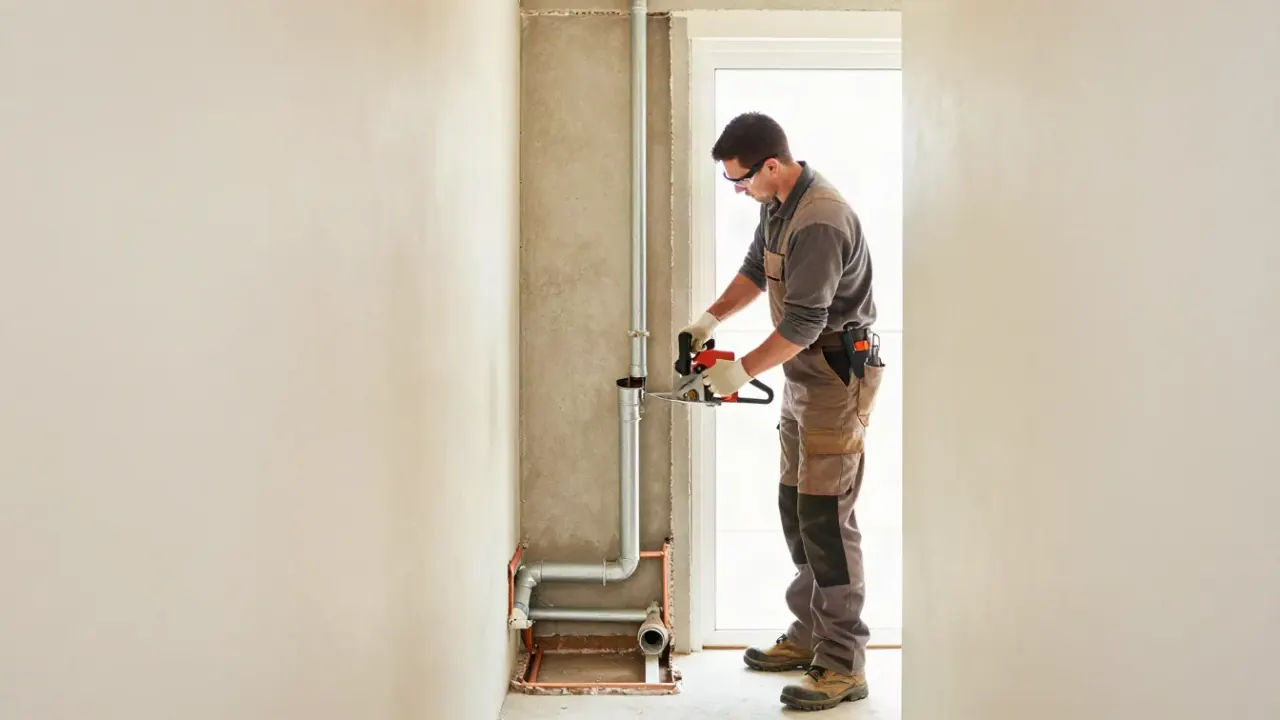
We repipe single-family homes, condos, and older tract houses across West Covina. Work is scheduled room by room so you keep water running.
- 1960s tract homes
- South Hills two-story homes
- Cameron Park condos
- Slab-on-grade houses
Repiping in West Covina means replacing tired copper, galvanized steel, or polybutylene lines before they fail inside your walls. We work the 91790, 91791, and 91792 ZIP codes every week, from South Hills to Cameron Park.
Baldwin Park, California
Serving West Covina and nearby
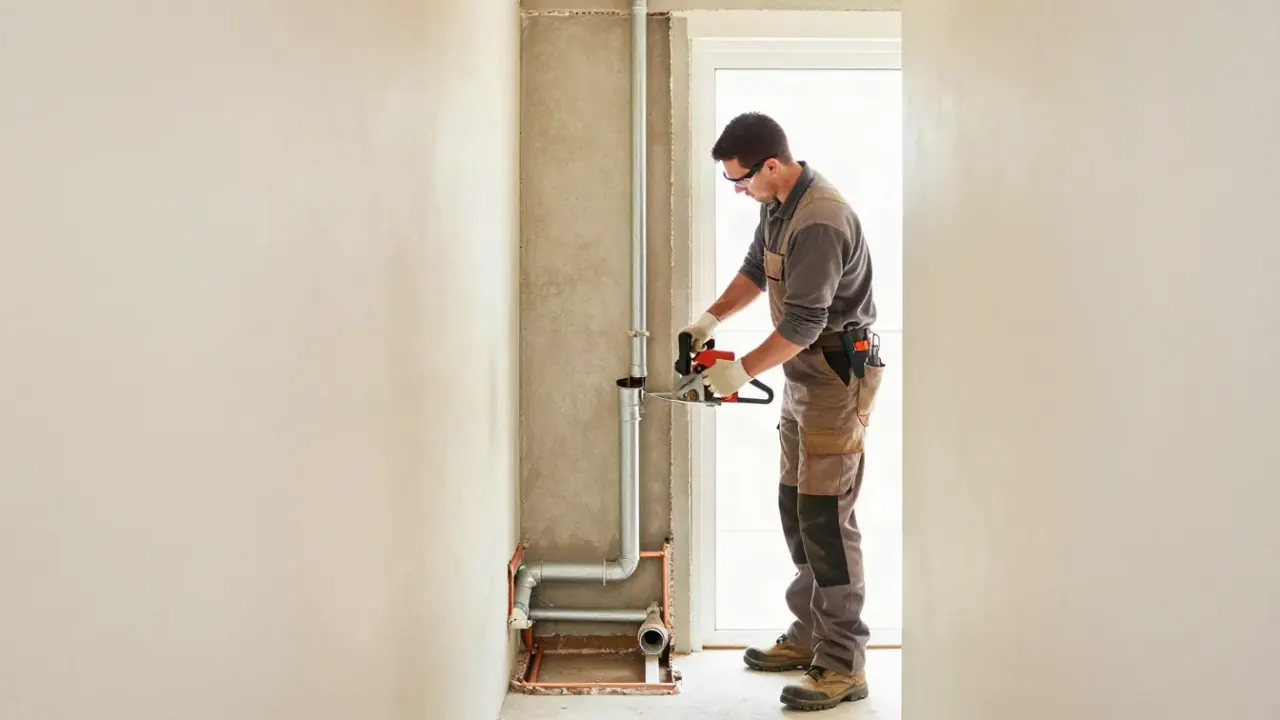
West Covina sits in Los Angeles County with a housing stock that runs from 1950s tract homes near the Civic Center to newer builds up in South Hills. That mix is exactly why repiping West Covina CA keeps us busy. Older homes here were plumbed with galvanized steel or copper that has now spent six or seven decades absorbing hard San Gabriel Valley water. Copper develops pinhole leaks.
Galvanized steel scales shut until your shower barely dribbles. Polybutylene, used in some late-70s and 80s builds, gets brittle and splits without warning. Repiping in West Covina is the permanent fix, not another patch on a pipe that is already failing somewhere else. We replace the whole system with PEX-A tubing or Type L copper, sized to Uniform Plumbing Code, and pressure-test every line before the drywall goes back up.
We are based in Baldwin Park, which puts West Covina about ten minutes down the 10 freeway from our shop. That matters when a pipe lets go at 2 a.m. or a slab leak shows up the week before a holiday. We serve West Covina because the demand is real and steady: whole-house repiping West Covina jobs on 1960s ranches, partial repipes in Cameron Park condos, and water line replacements for homeowners tired of brown water every time the city flushes mains. We know which streets have the oldest copper and which neighborhoods still have galvanized service lines.
Good to know in West Covina
Scale builds up inside the pipe, cutting flow and pressure at fixtures. It also accelerates pinhole leaks in copper, which is why so many West Covina homes see repeat leaks in the same system.
It protects you on workmanship and gives you recourse if something goes wrong.
South Hills homes tend to be larger and spread out, with longer supply runs and more fixtures per house. Many were built in the 70s and 80s, so we see a mix of copper and early plastic lines.
West Covina repiping demand splits into three buckets: full replacements in older homes, partial repipes where only one wing has failed, and emergency work after a burst pipe. We run all of it.
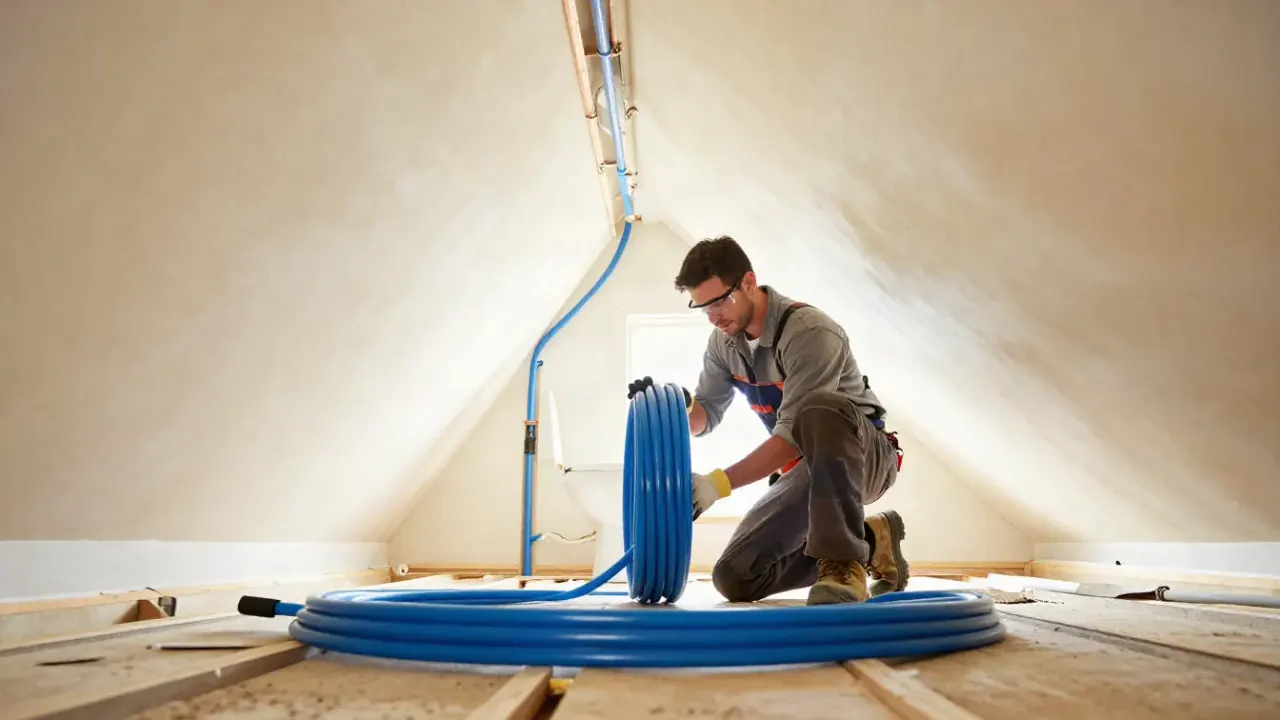
PEX-A tubing is our most common West Covina repipe, especially in 1950s and 60s homes where copper has started pinhole leaking.
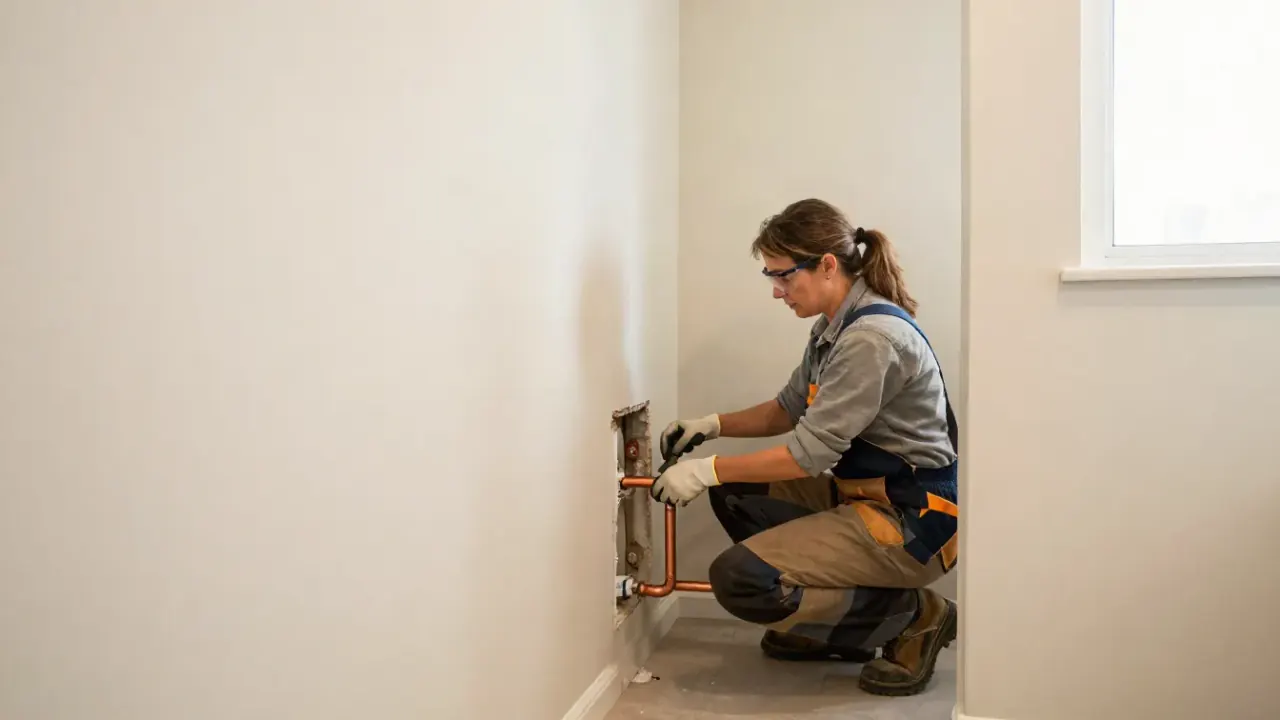
Some West Covina homeowners want copper back in the walls, and we install Type L copper with soldered or press fittings depending on access.
Polybutylene shows up in some late-70s and 80s West Covina builds, and it fails at fittings first.
Galvanized steel is common in pre-1960 West Covina homes, and it corrodes from the inside out. You get low pressure, rusty water, and eventually a pinhole that soaks a wall.
Not every West Covina home needs a full repipe. If one bathroom or the kitchen wing has failed and the rest tests clean, we replace just that section.
For West Covina homes built before 1970, a whole-house repipe is usually the smart money.
Pinhole leaks in West Covina copper are a warning, not a one-off. If you have had two or more in the last few years, the rest of the pipe is on the same clock.
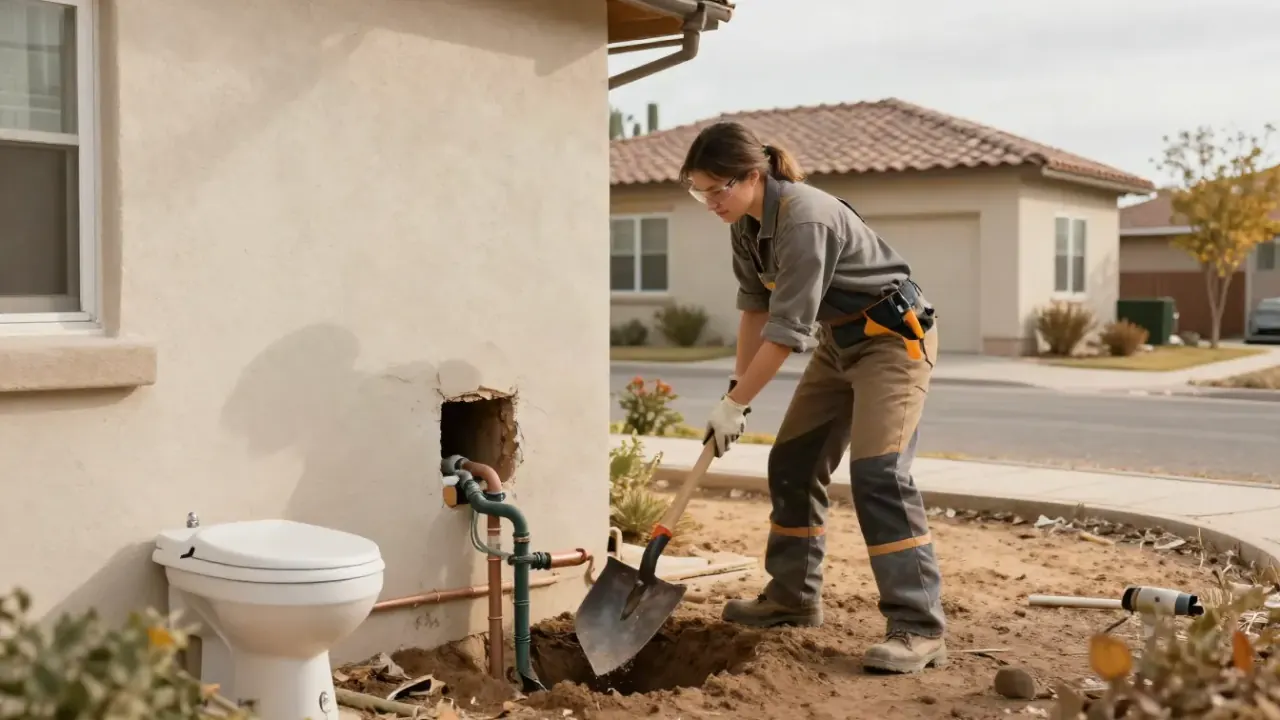
The line from the meter to your West Covina house is often the oldest pipe on the property.
CPVC gets brittle with age and can crack at fittings, especially in West Covina attics that hit triple-digit temperatures in summer.
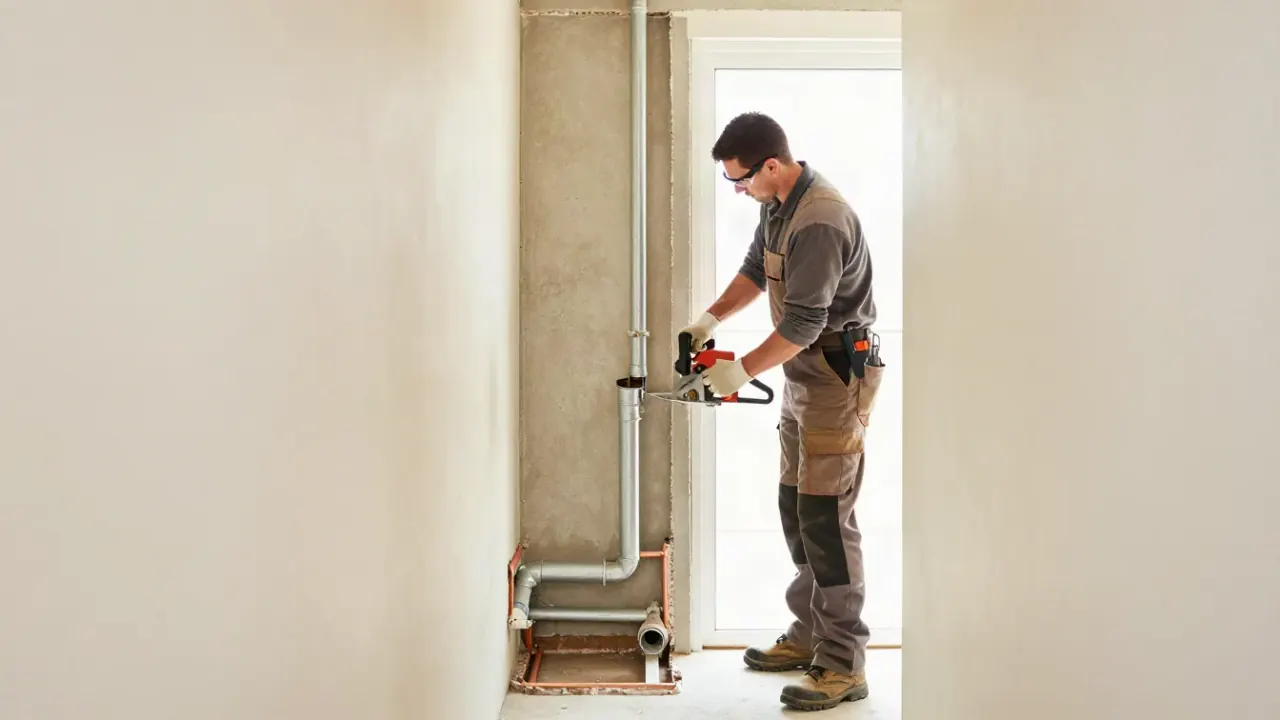
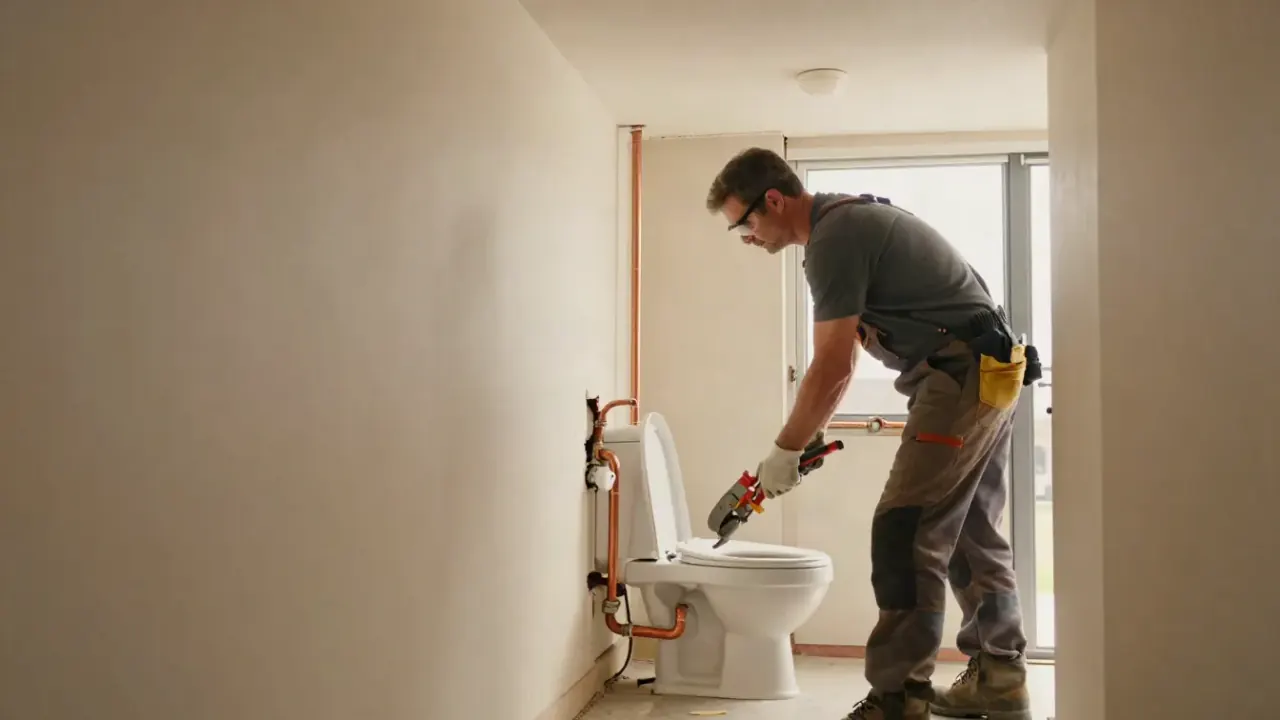
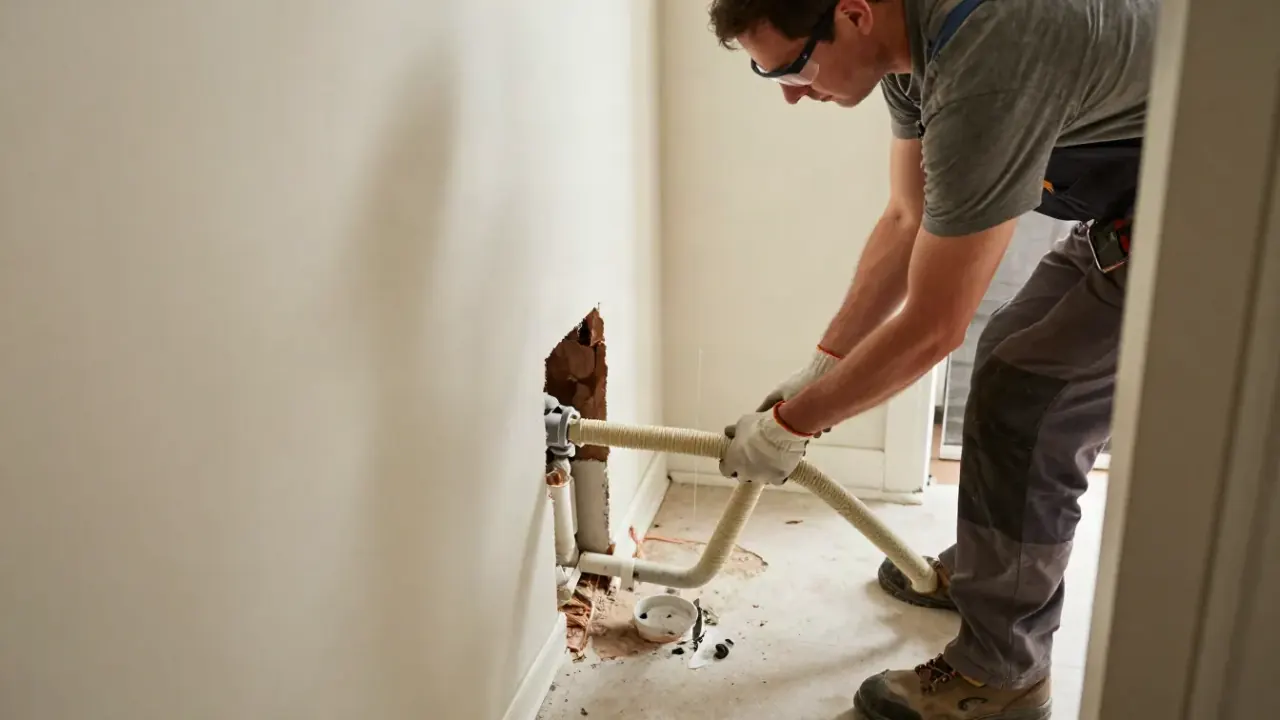
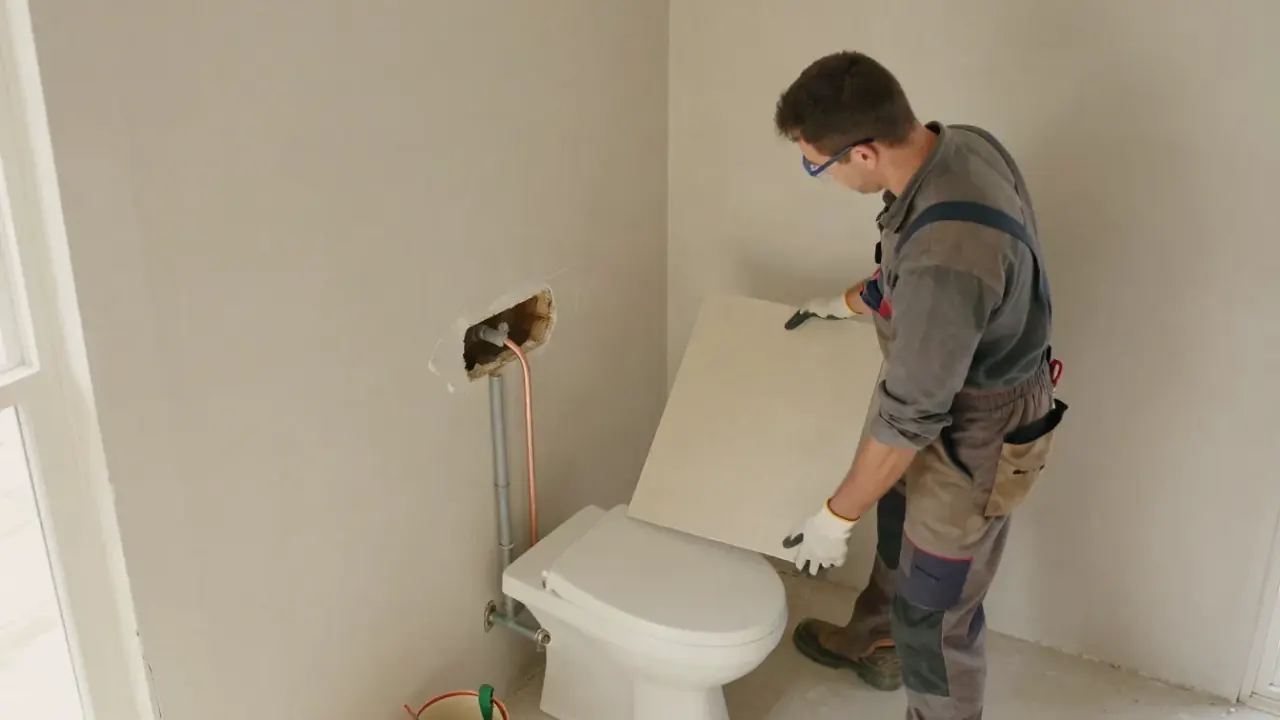
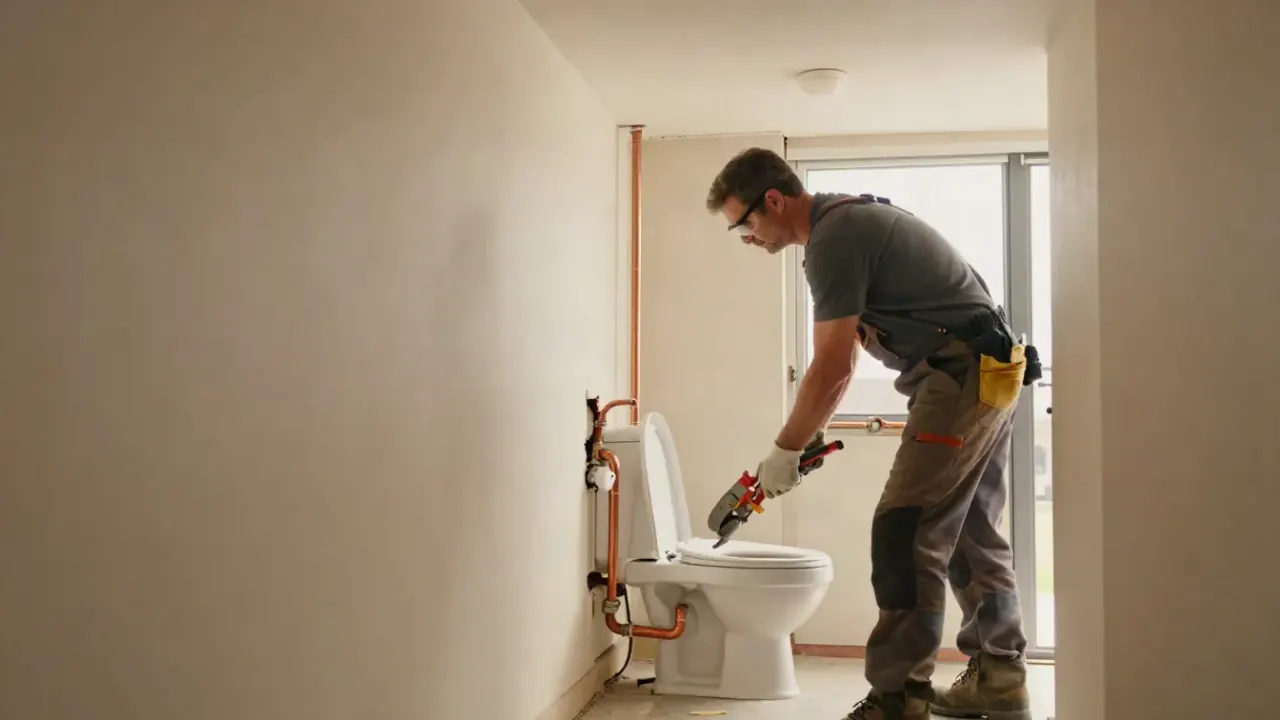
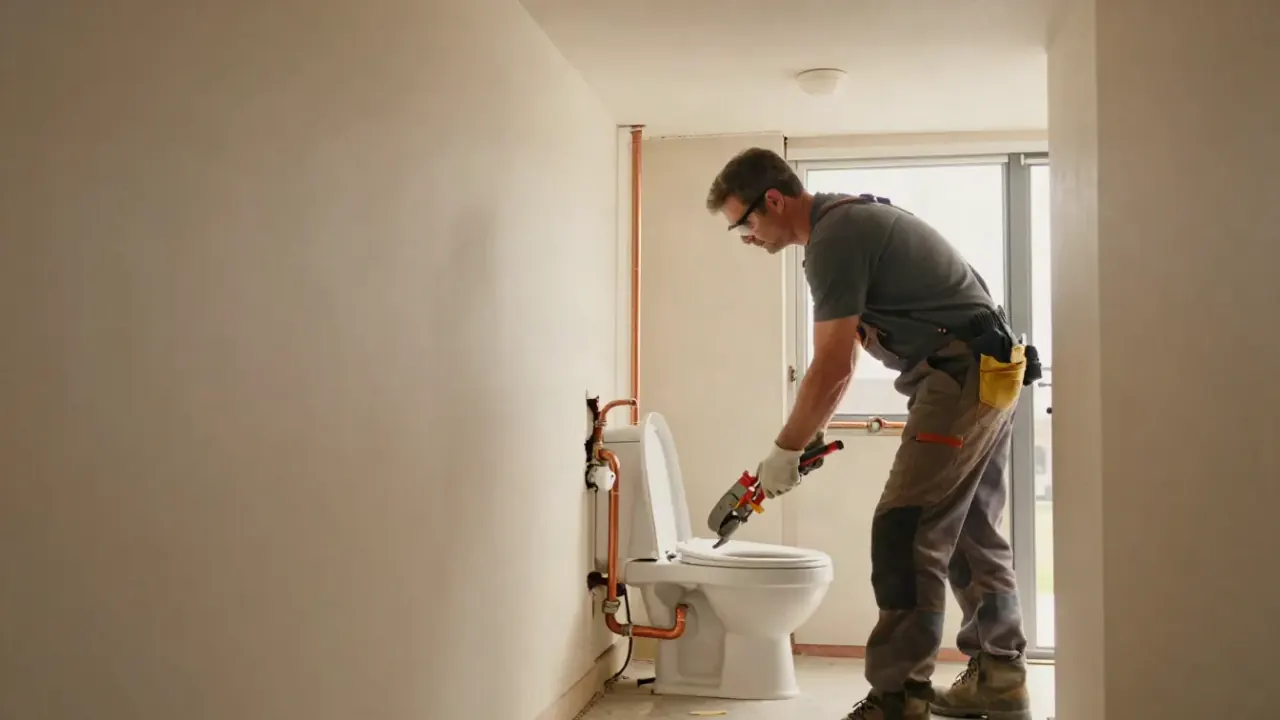
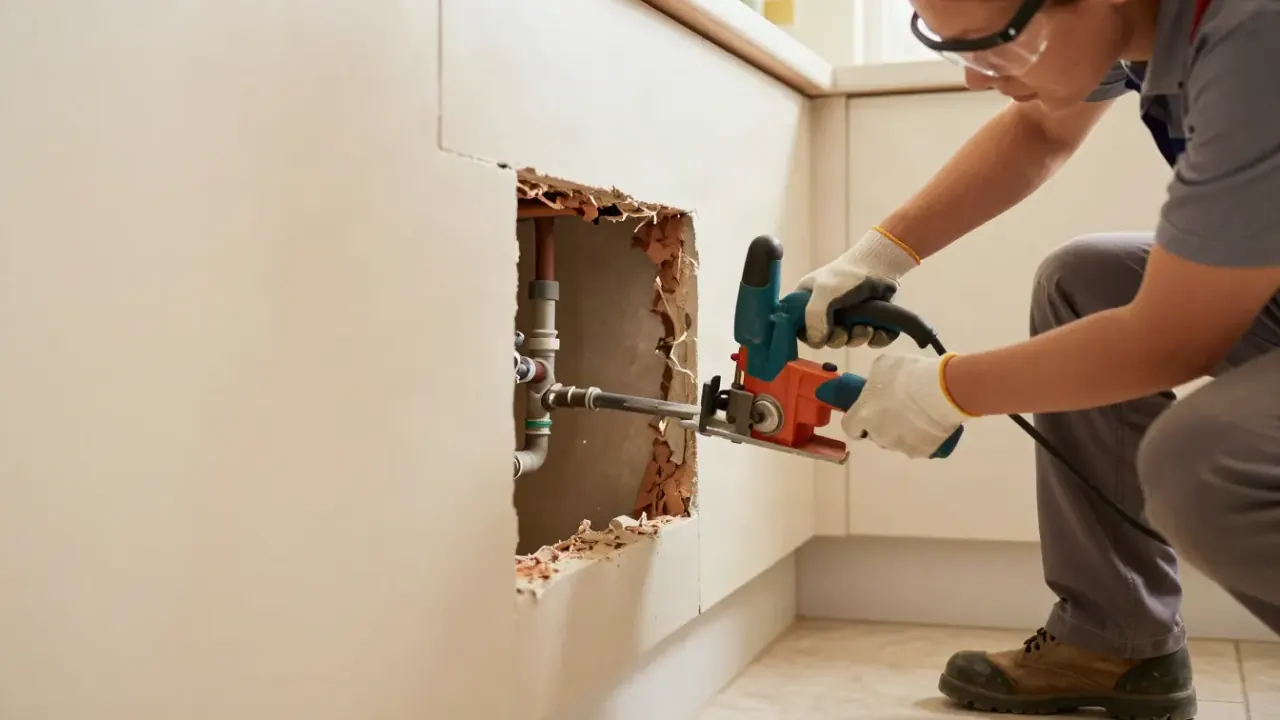
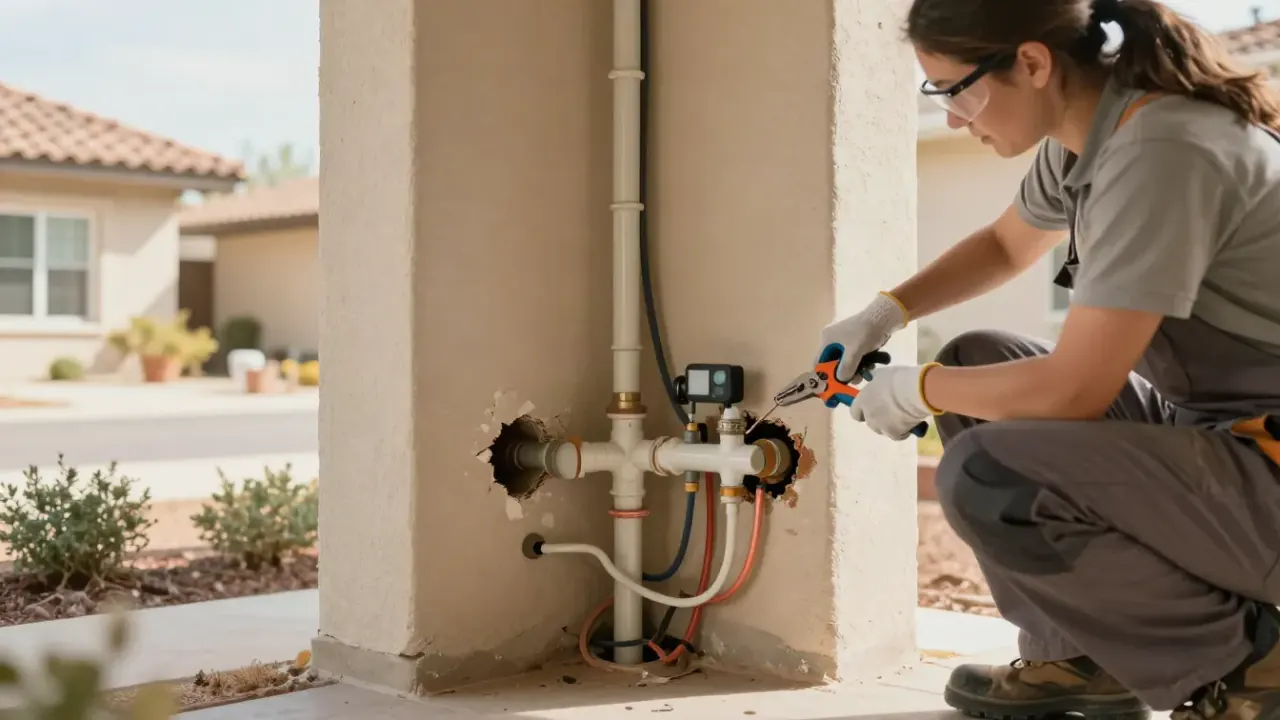
A repipe means holes in the walls, and we do not leave you to find a drywall guy.
West Covina requires permits for repiping, and we pull them. We schedule the inspection, meet the inspector on site, and handle the paperwork.
Pick a service to see how we approach it here.
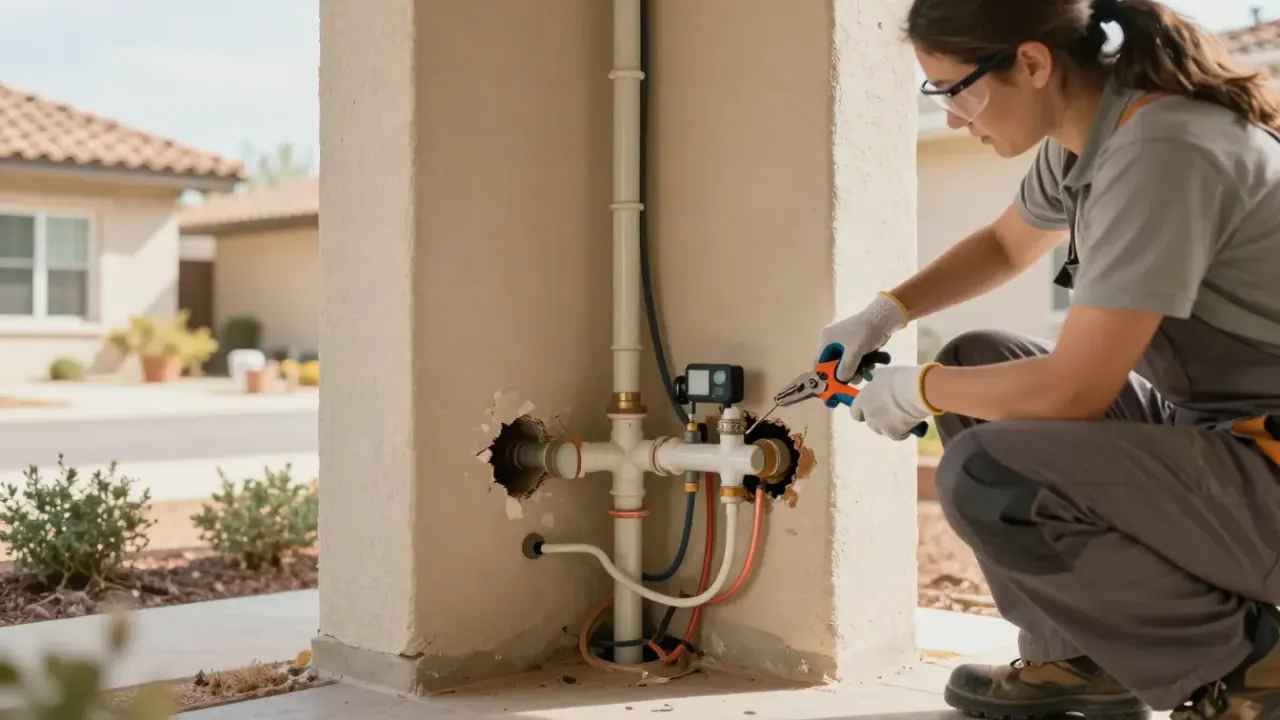
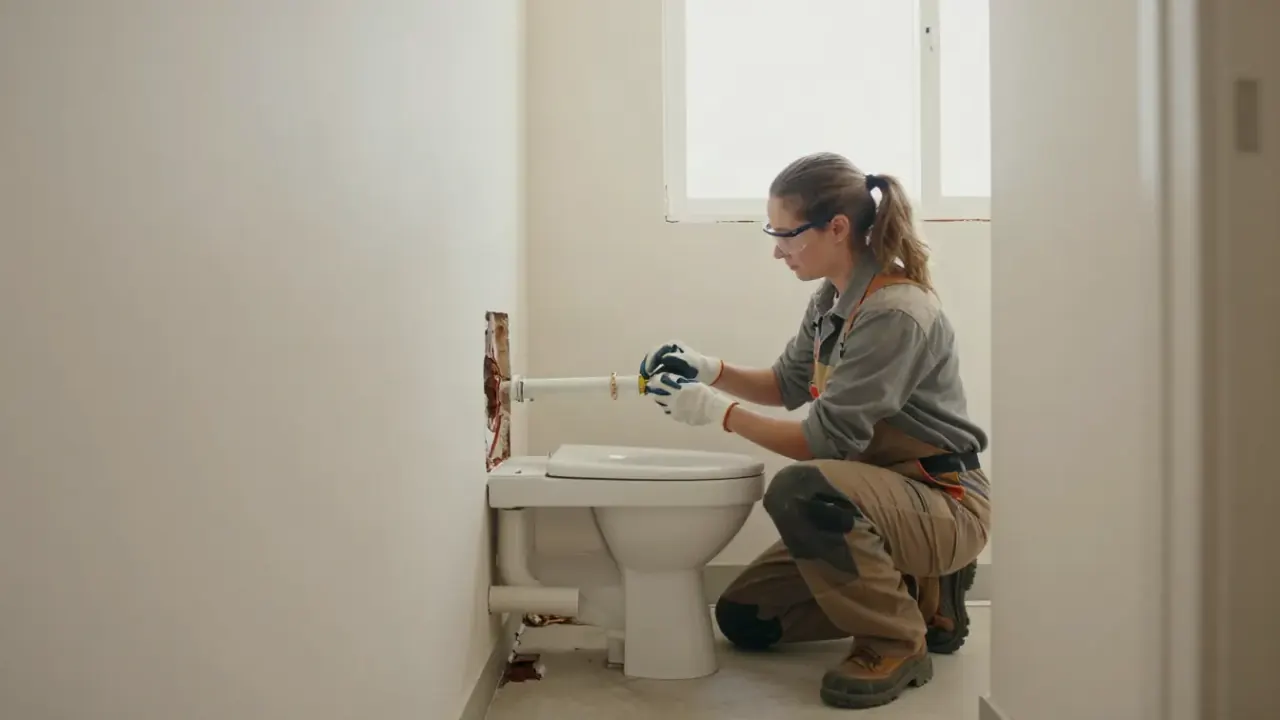
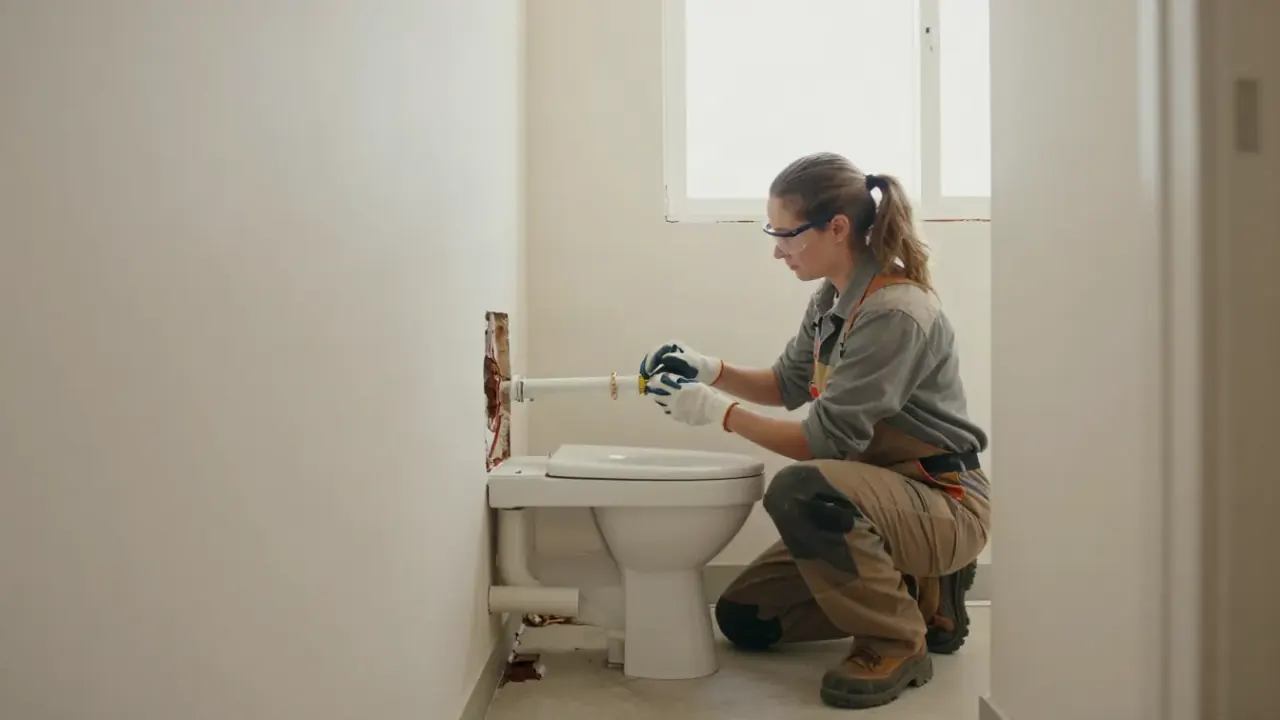
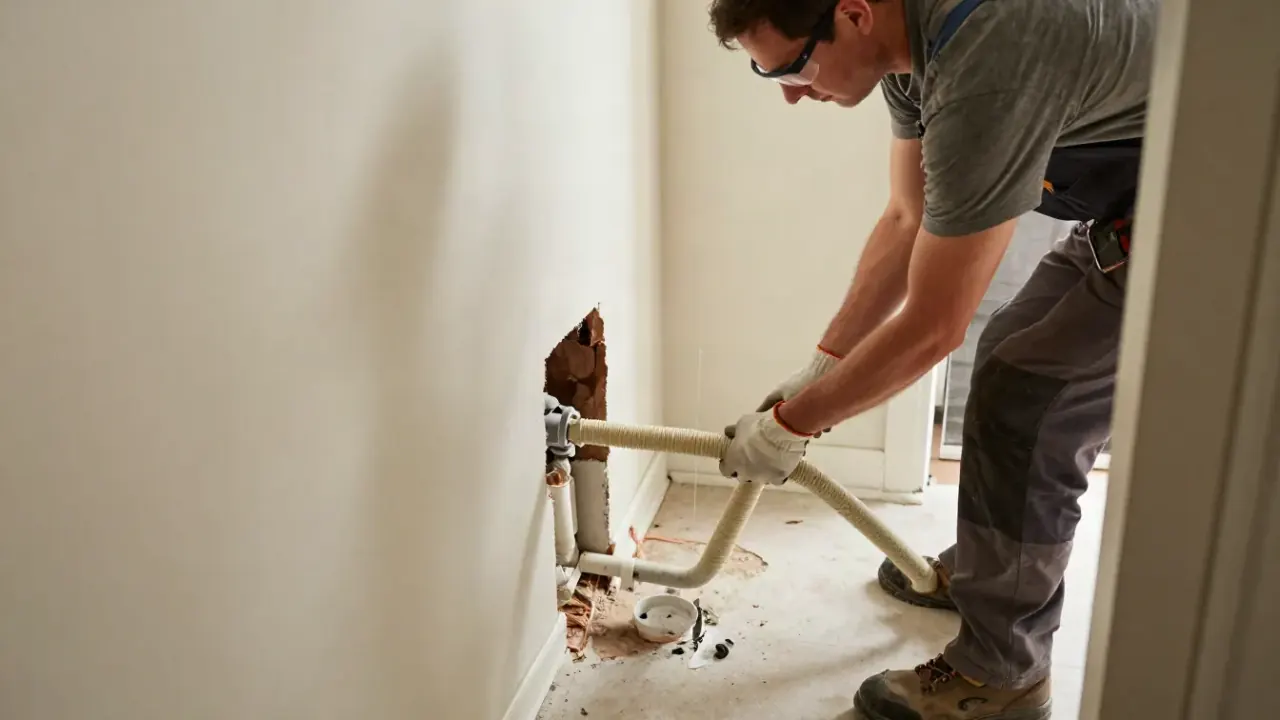
We run PEX-A through attics and crawlspaces to keep drywall damage low in West Covina homes. Every run is measured, secured, and pressure-tested before walls close. Crews work room by room so you keep a working bathroom.
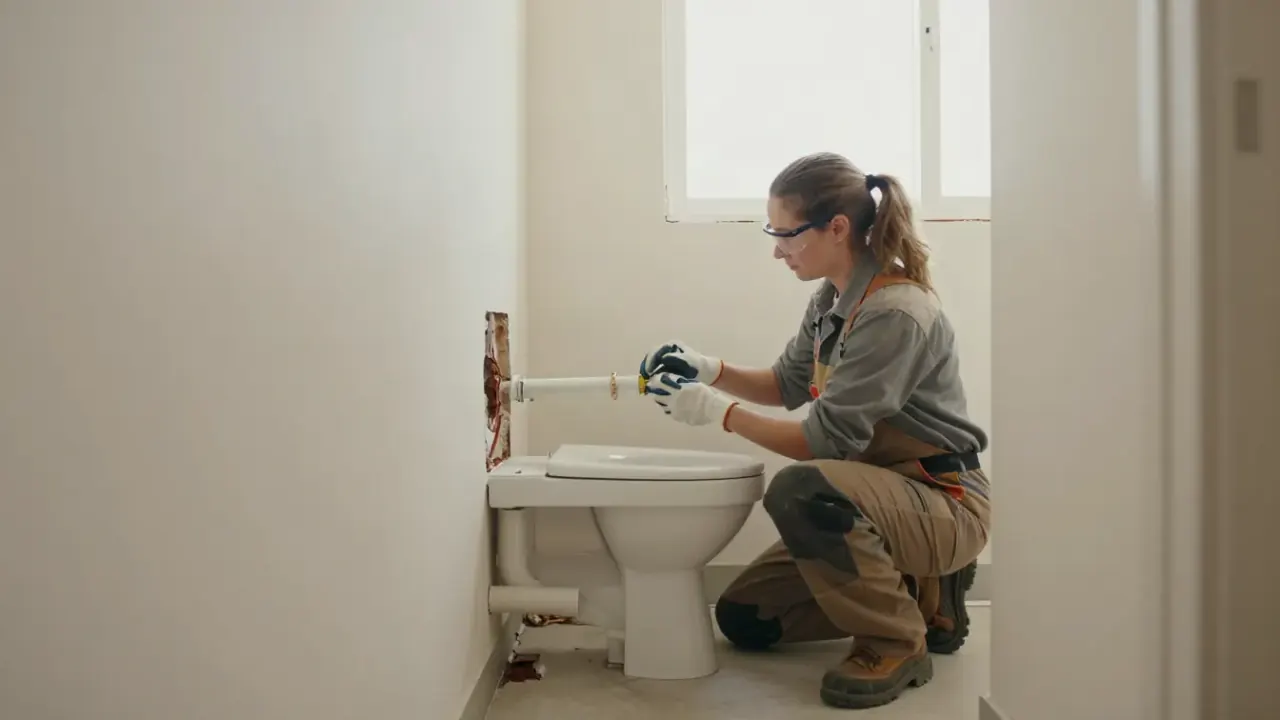
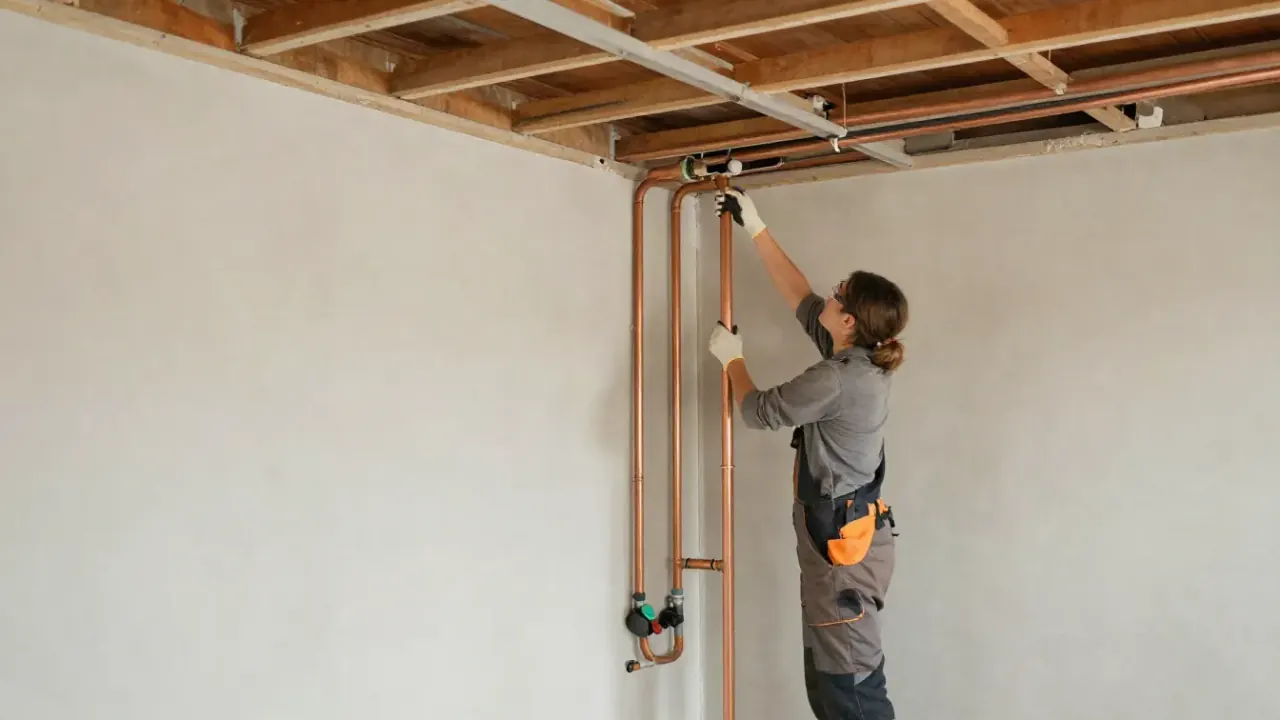
We install Type L copper for West Covina homeowners who want metal in the walls. Runs are sized to code, soldered or pressed depending on access, and flushed before we hand the system back. Exposed runs get extra support.
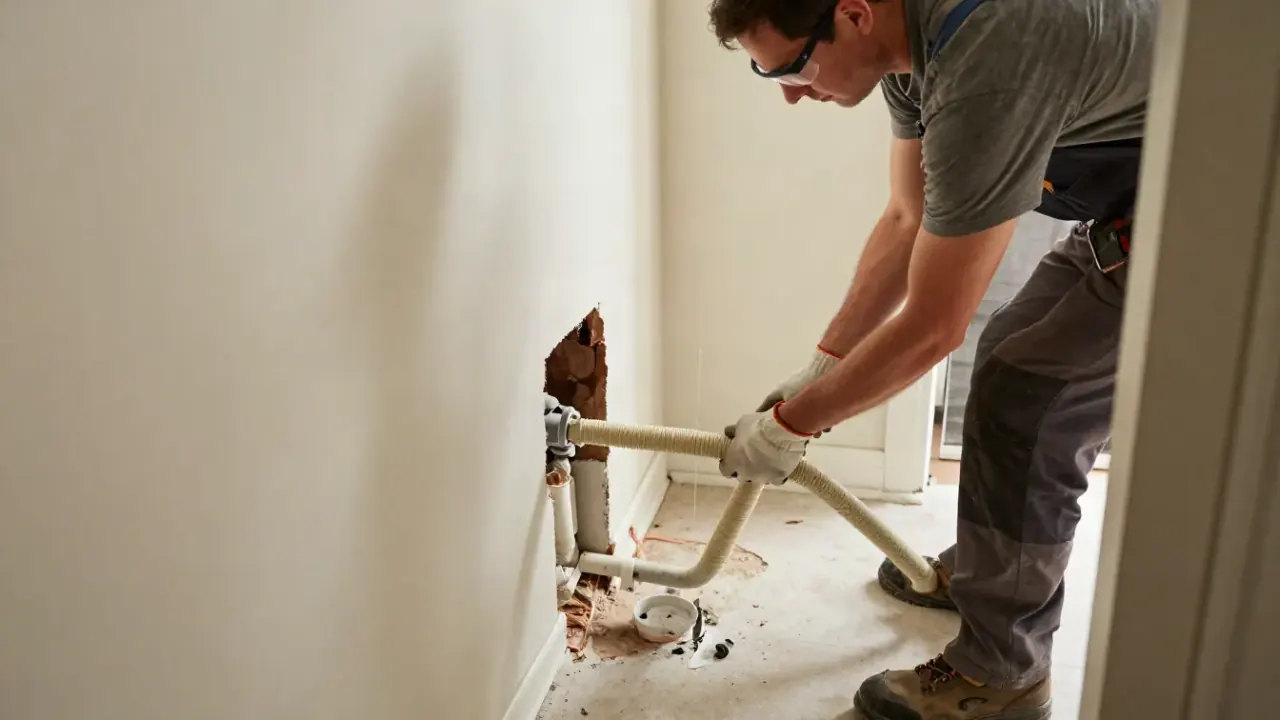
We remove the entire polybutylene system, including hidden runs behind cabinets and inside walls. New PEX-A lines are routed to avoid the old failure points. We test every connection before closing up.
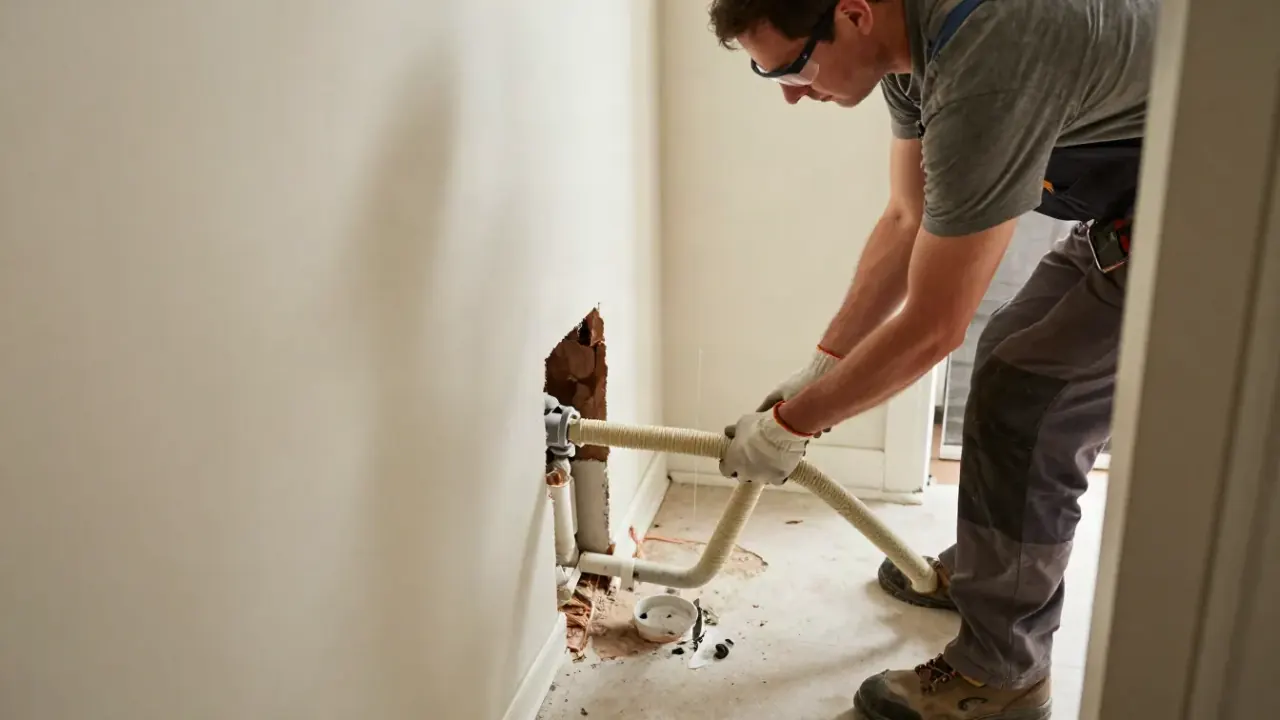
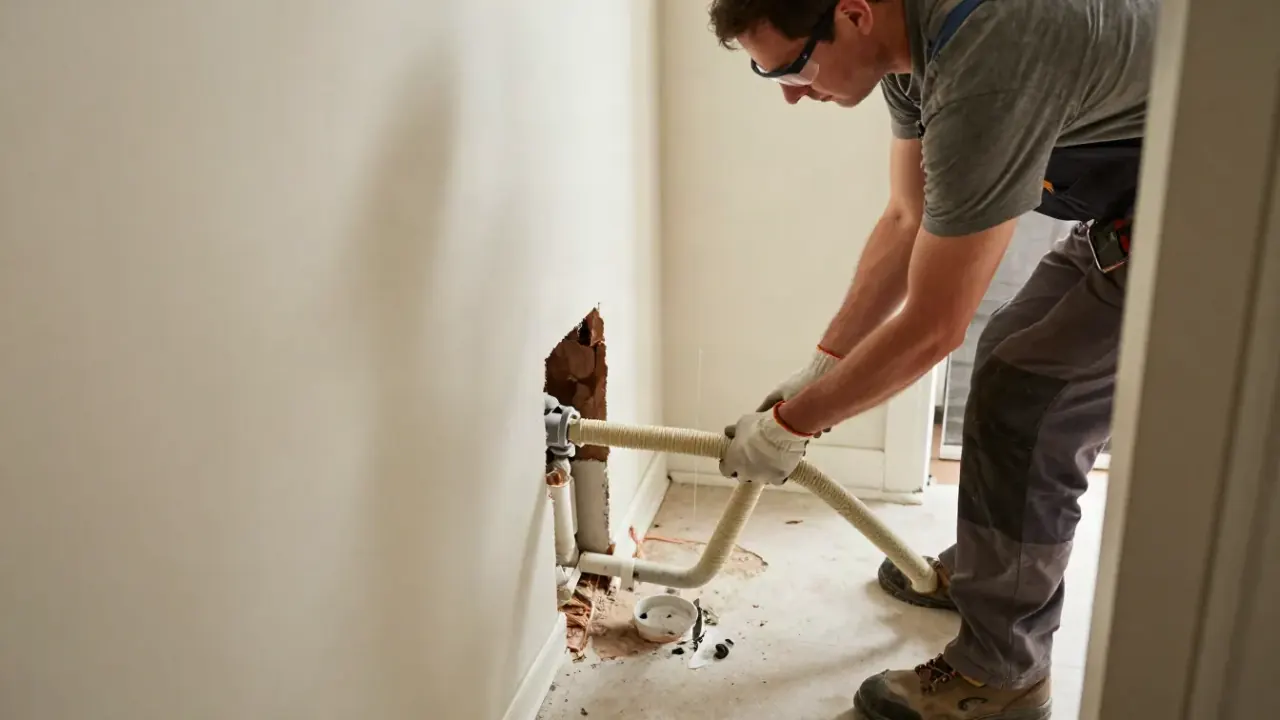
We cut out galvanized steel and replace it with PEX-A or copper, then check the service line since it is often the same age. Flow is restored at every fixture. We document the new layout before closing walls.
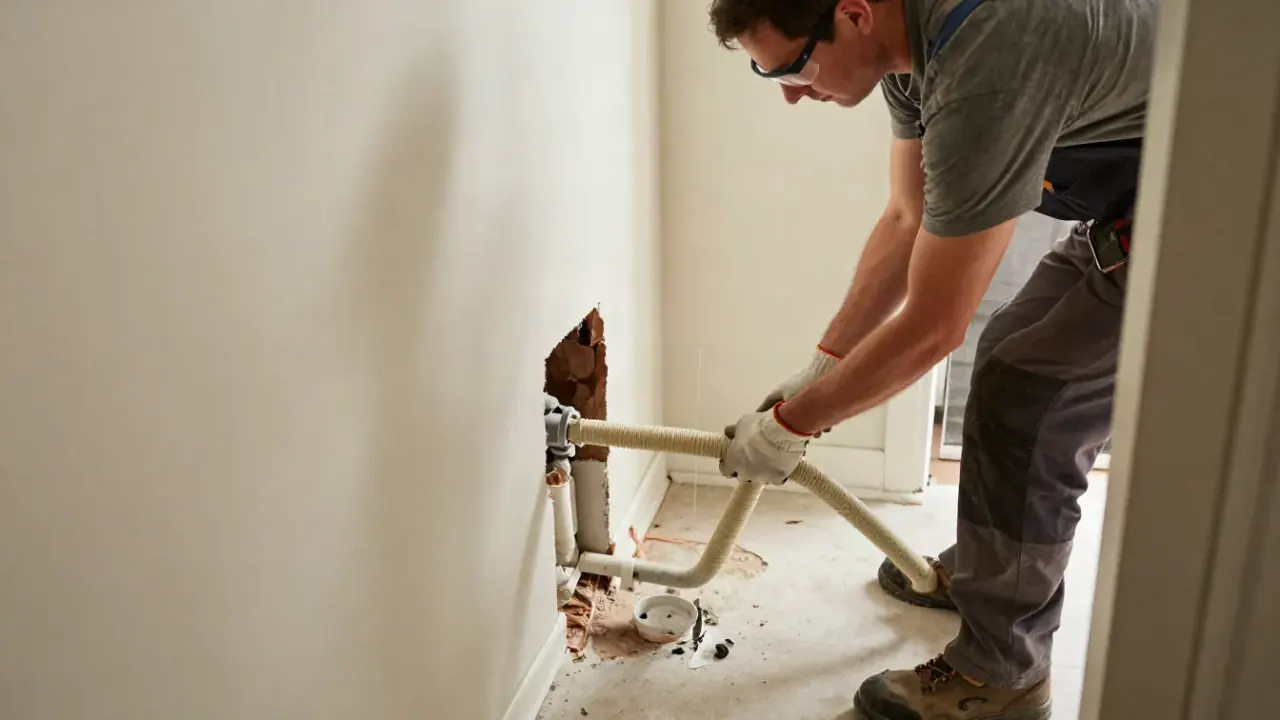
Homes get whole-system repipes; businesses get after-hours scheduling and shared-line coordination.
We repipe single-family homes, condos, and older tract houses across West Covina. Work is scheduled room by room so you keep water running.
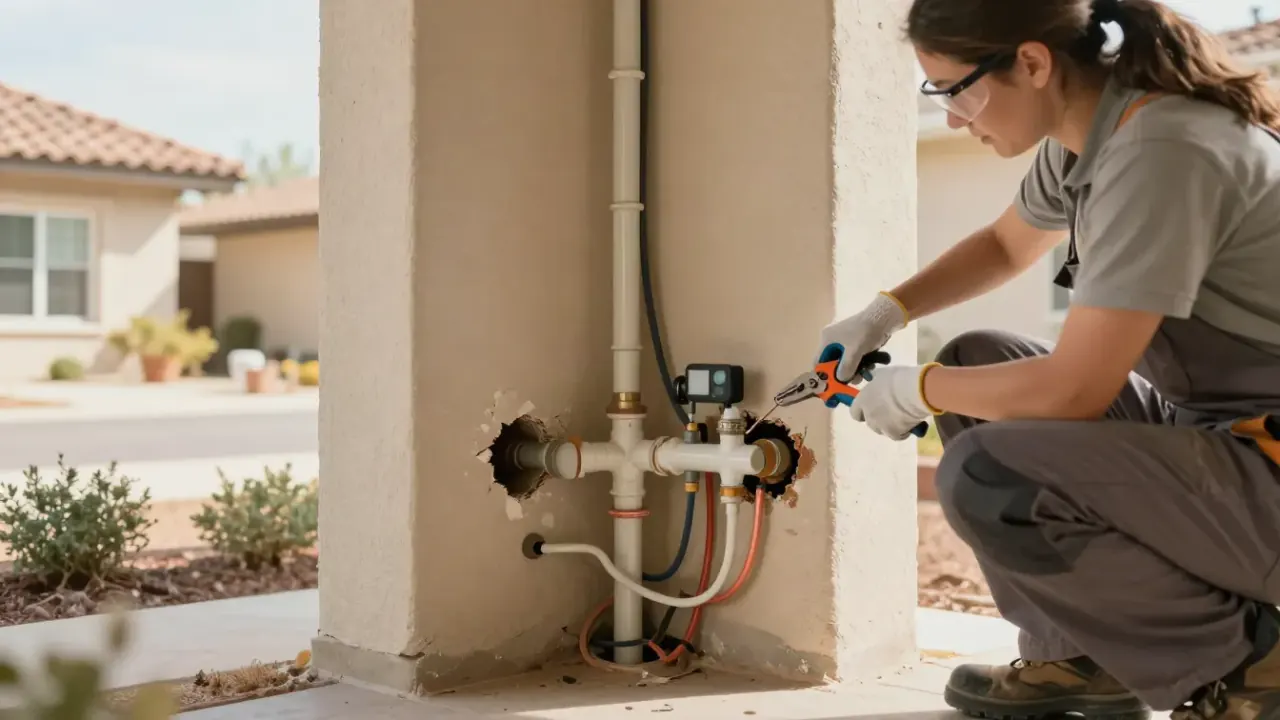
We handle commercial repipes along Garvey Avenue and the Plaza West Covina corridor. Scheduling is built around your business hours.
West Covina has a specific set of plumbing problems that come from its housing age, water chemistry, and climate. Hard water, slab construction, and hot attics all push pipes toward failure, and the result is a steady stream of repipe work across the city.
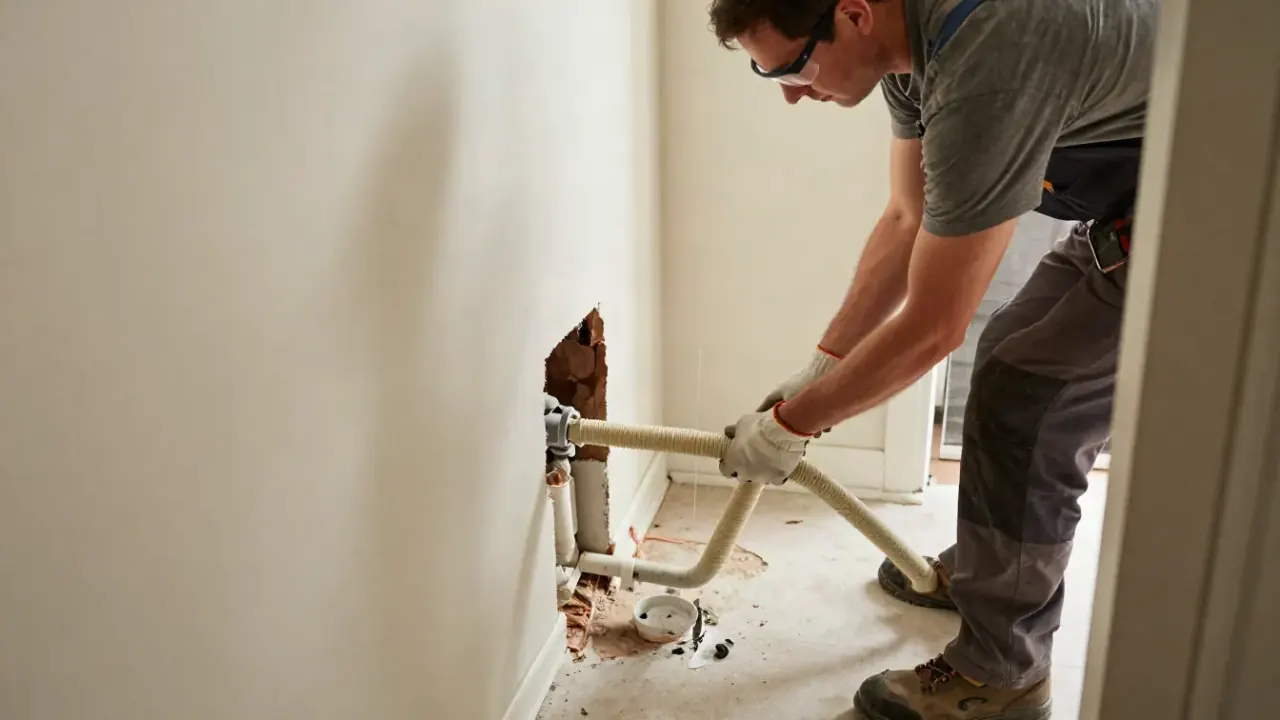
West Covina water carries minerals that react with copper over time, and the result is pitting inside the pipe wall. Once a pinhole opens, the surrounding copper is usually thinned too, so the next leak is not far behind.
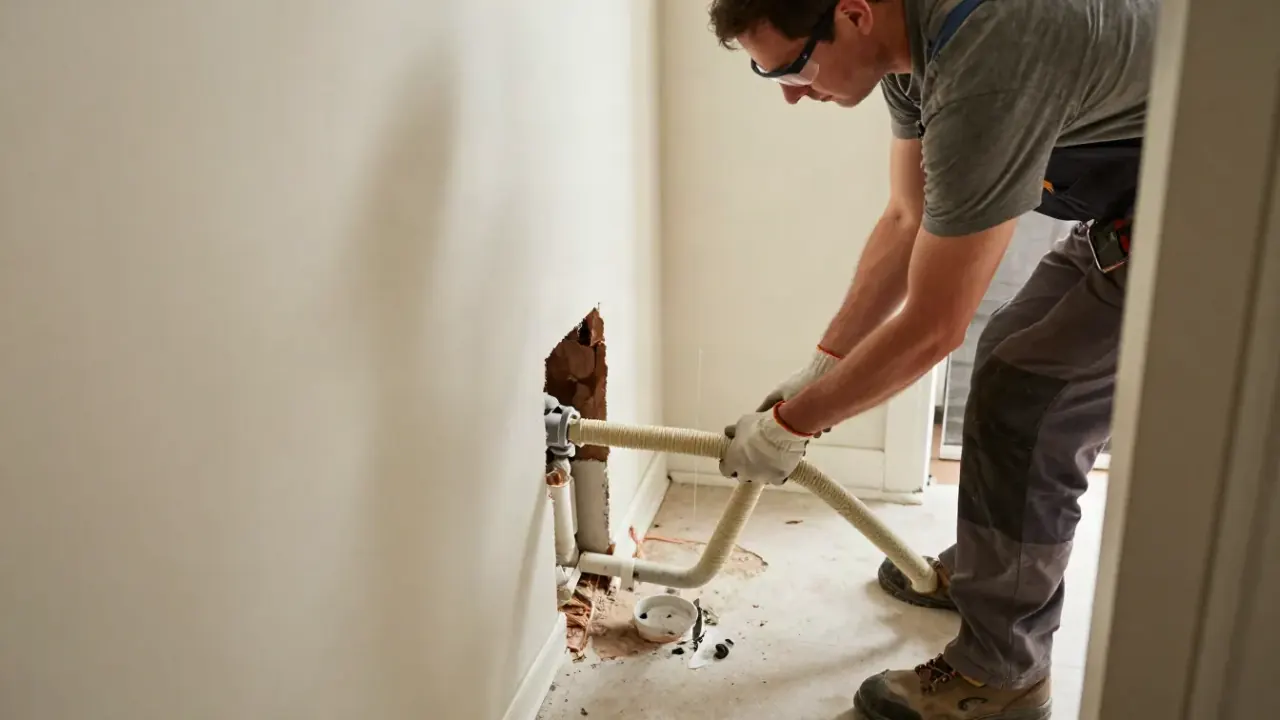
Galvanized steel corrodes from the inside, and the corrosion flakes off and collects as scale. In West Covina's older homes, this can cut flow to a trickle and turn the water rusty. It is a materials problem, not a maintenance problem.
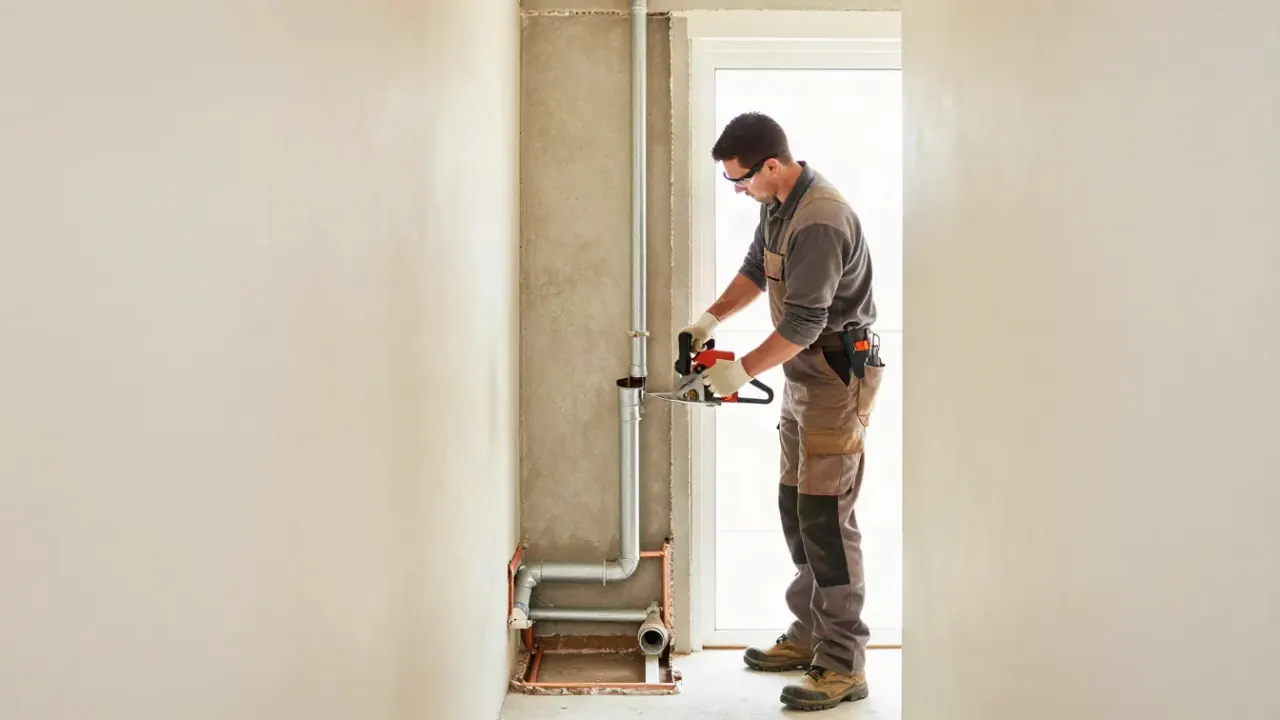
Polybutylene gets brittle over time and fails at the fittings first, often without warning. Some West Covina homes built in the late 70s and 80s still have it, and a single failure can flood a room fast.
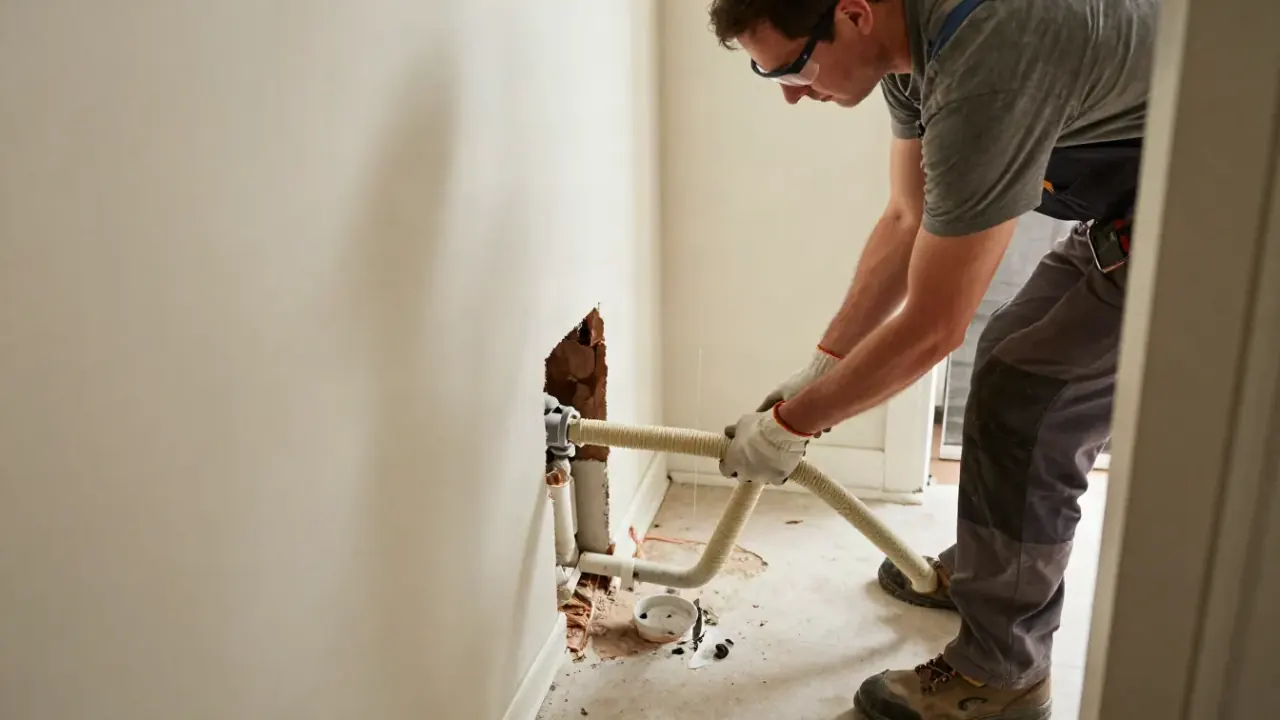
Many West Covina homes are slab-on-grade, with supply lines running under the concrete. When those lines fail, the leak is hidden and the repair is invasive. It is one of the most disruptive plumbing problems a homeowner can face.
Watch for these signs that it is time to stop patching and plan a repipe.
Any one of these is worth a call.
Nothing picked yet. Tap the signs you have noticed and this box will sum them up.
There is no price list here, because every job is different. These are the things that move an estimate most.
A three-bedroom, two-bath West Covina home has more supply runs and more wall openings than a one-bath condo. More fixtures means more material and more labor, which is the biggest driver of the final number.
PEX-A is faster to install and usually costs less than copper. Copper costs more in material and labor, but some homeowners want it for exposed runs or personal preference. We quote both so you can compare.
Attic and crawlspace access keeps drywall damage low. Slab-on-grade homes or finished ceilings mean more cutting and more patching, which adds to the job. We map the runs before we start so there are no surprises.
West Covina is easy to work in once you know the cross streets. We route crews by landmarks so we are not stuck on surface streets during rush hour, and we know which neighborhoods have alley access versus driveway-only parking.
Landmark
The Civic Center sits near the center of town and gives us a clean reference point for jobs on the older streets to the north and east.
Landmark
Plaza West Covina anchors the commercial core along the 10 freeway.
Landmark
Cameron Park is a residential area and a useful orientation point for jobs on the surrounding streets.
Commercial area
The area around Plaza West Covina includes retail, restaurants, and service businesses along the 10 freeway corridor.
Commercial area
Garvey Avenue is the older commercial spine of the city, with small businesses and mixed-use buildings.
Transit
The 10 runs along the southern edge of West Covina and is our main route from Baldwin Park. It puts most of the city within 10 to 15 minutes of our shop outside of peak traffic.
Transit
The 605 borders West Covina on the west side and connects to the 10. We use it for jobs on the western edge of the city and for routing around congestion on surface streets.
Not listed? Call and we will tell you whether we can get to you.
Check my areaWe had two pinhole leaks in our copper in one year and finally called for a full repipe. The crew walked us through the whole plan, pulled the permit, and finished in three days. They patched the drywall and you cannot tell where they cut. Water pressure is better than it has been in years.
Our South Hills house had rusty water and weak pressure upstairs. They replaced the galvanized service line and repiped the interior with PEX. The crew was on time every day, kept the work area clean, and explained what they were doing at each step. No more rusty water.
A CPVC line burst in our attic during a heat wave and flooded the hallway. They came out the same day, isolated the leak, and came back to repipe the whole unit in PEX. They coordinated with our HOA so we did not have to deal with the paperwork. Two days and done.
West Covina does not get hard freezes, but the seasons still shape when repipes happen and what goes wrong. Fall and winter bring the most emergency calls, while spring and summer are the busiest months for planned whole-house repiping West Covina projects.
West Covina is one of several cities we cover from our Baldwin Park base. The same crews that work West Covina also run jobs in the surrounding communities, so scheduling is flexible and response times stay short.
Straight answers to what people ask first.
A partial repipe on one bathroom or kitchen wing is at the lower end. A full whole-house repipe on a 1960s three-bedroom with slab rerouting runs higher. We quote the job upfront in writing so you know the number before we start.
Yes. West Covina requires a plumbing permit for repiping, and the work has to pass inspection. We pull the permit for you and meet the inspector on site. Skipping the permit saves a little upfront but can cause problems when you sell the house or file an insurance claim.
Yes. If water is where it should not be, call (626) 254-4162 and we will get someone out the same day to isolate the leak. Full repipes are usually scheduled within a week.
Most single-story West Covina homes take two to three days. Two-story homes in South Hills run three to four days. The schedule includes the repipe, pressure testing, and the drywall patch. We give you a firm start and finish date when you book, and we keep at least one bathroom working during the job.
If you are dealing with pinhole leaks, rusty water, or low pressure in your West Covina home, we can help.
Call (626) 254-4162 or email info@baldwinparkrepiping.com to book an estimate. We answer the phone during business hours and return messages the same day. If you have an active leak, say so when you call and we will move you to the front of the schedule.